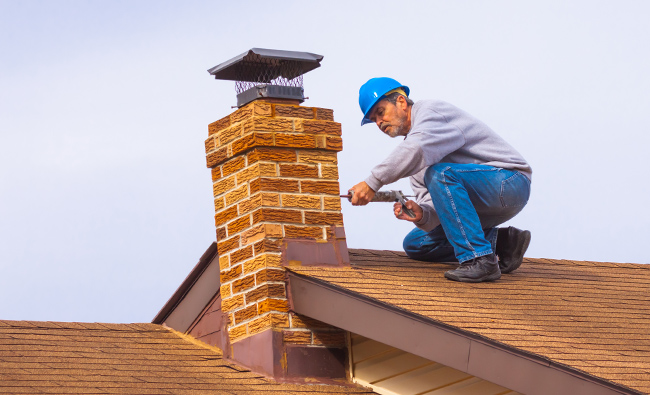
A leaking chimney is one of the most overlooked yet potentially damaging problems homeowners can face. While many people assume chimney issues are limited to brickwork or fireplace functionality, water intrusion can create serious structural concerns that affect your roof, attic, ceilings, interior walls, and even your home’s foundation over time.
Because chimneys are exposed to the elements year-round, they are especially vulnerable to moisture damage. Left untreated, even minor leaks can escalate into costly repairs, mold growth, masonry deterioration, and major structural instability.
Understanding the causes of chimney leaks, recognizing warning signs early, and investing in professional solutions can save homeowners thousands in long-term repairs while preserving property value.
Why Chimney Leaks Are So Common
Chimneys are uniquely exposed compared to most other structural components of a home. They extend above the roofline, face direct weather exposure from all sides, and combine multiple vulnerable materials including brick, mortar, flashing, crowns, and caps.
Over time, these components naturally wear down due to:
- Rain and snow
- Freeze-thaw cycles
- Wind-driven moisture
- UV exposure
- Aging materials
- Poor installation
Because water can penetrate from multiple entry points, chimney leaks are often more complex than standard roof leaks.
Common Causes of Chimney Leaks
Understanding where leaks originate is essential for proper repair.
1. Damaged or Missing Chimney Flashing
Flashing is the metal seal installed where the chimney meets the roof. Its purpose is to prevent water from entering this joint.
Common Problems:
- Rusted flashing
- Loose flashing
- Improper installation
- Sealant failure
Result:
Water enters around the chimney base, causing:
- Roof leaks
- Ceiling stains
- Attic moisture
- Structural rot
Professional roofing contractors often address flashing repairs as part of comprehensive leak prevention.
2. Cracked Chimney Crown
The chimney crown is the concrete or mortar top designed to shed water away from the flue and masonry.
Problems Include:
- Cracks
- Surface deterioration
- Improper slope
Risks:
Water enters through crown cracks, saturating the chimney structure.
3. Missing or Damaged Chimney Cap
A chimney cap prevents direct rain entry while also keeping out debris and animals.
Without a proper cap:
- Rain enters the flue
- Moisture damages liners
- Debris buildup increases
- Draft performance decreases
4. Deteriorating Mortar Joints and Brickwork
As mortar joints weaken, masonry absorbs moisture.
This can lead to:
- Brick spalling
- Interior leaks
- Structural weakening
- Freeze-thaw damage
Professional chimney repair services often include repointing or full restoration depending on severity.
5. Porous or Unsealed Masonry
Older brick chimneys may absorb significant moisture if not properly waterproofed.
This leads to:
- Water penetration
- Efflorescence
- Interior staining
- Accelerated deterioration
Warning Signs of a Leaking Chimney
Homeowners should monitor for:
Exterior Signs:
- Cracked mortar
- Spalling bricks
- White staining (efflorescence)
- Rusted flashing
- Missing chimney cap
Interior Signs:
- Water stains near fireplace
- Damp attic insulation
- Ceiling discoloration
- Musty odors
- Mold growth
Early detection can significantly reduce repair costs.
Why Chimney Leaks Are Dangerous
Many homeowners assume small leaks are only cosmetic concerns, but moisture intrusion can create serious long-term risks.
Structural Risks:
- Masonry deterioration
- Roof rot
- Ceiling damage
- Framing decay
- Foundation moisture migration
Health Risks:
- Mold
- Mildew
- Poor indoor air quality
Financial Risks:
Minor repairs can become full chimney rebuilds if neglected.
Professional Solutions for Chimney Leaks
The right repair strategy depends on the leak source.
Flashing Repair or Replacement
If flashing is compromised, professionals may:
- Reseal flashing
- Replace corroded metal
- Install step flashing
- Correct roof/chimney integration
Chimney Crown Repair
Solutions may include:
- Crown sealing
- Crown resurfacing
- Full crown rebuild
Cap Installation
Installing a quality chimney cap is one of the most affordable and effective preventative measures.
Masonry Repointing
Deteriorated mortar joints are repaired through:
- Tuckpointing
- Repointing
- Waterproof mortar restoration
Waterproof Sealants
Breathable waterproofing products help protect masonry without trapping moisture.
Preventing Future Chimney Leaks
Preventative maintenance is always more affordable than major repairs.
Best Practices:
- Annual chimney inspections
- Regular flashing inspections
- Waterproofing masonry
- Installing quality caps
- Prompt mortar repair
- Roof drainage maintenance
Routine maintenance can add decades to chimney lifespan.
The Importance of Professional Inspection
Because chimney leaks often have multiple contributing factors, accurate diagnosis is essential.
Professionals assess:
- Roof flashing
- Crown integrity
- Masonry condition
- Water penetration patterns
- Ventilation systems
DIY fixes often address symptoms rather than root causes.
How Chimney Repairs Protect Property Value
A leaking chimney can significantly reduce home value by:
- Creating visible damage
- Triggering failed inspections
- Raising buyer concerns
- Suggesting neglected maintenance
Timely repairs improve:
- Structural confidence
- Curb appeal
- Inspection outcomes
- Long-term ROI
Choosing the Right Contractor
Look for:
- Chimney masonry experience
- Roofing integration knowledge
- Waterproofing expertise
- Licensing and insurance
- Proven repair portfolio
A contractor who understands both masonry and roofing systems offers the most comprehensive protection.
Final Thoughts
Chimney leaks are far more than minor nuisances—they are serious structural threats that can impact your roof, masonry, and entire home if left untreated.
By understanding common causes, recognizing early warning signs, and investing in professional repairs, homeowners can prevent costly damage and preserve both safety and property value.
Working with trusted professionals in roofing contractors and chimney repair ensures your chimney remains watertight, structurally sound, and protected for years to come.