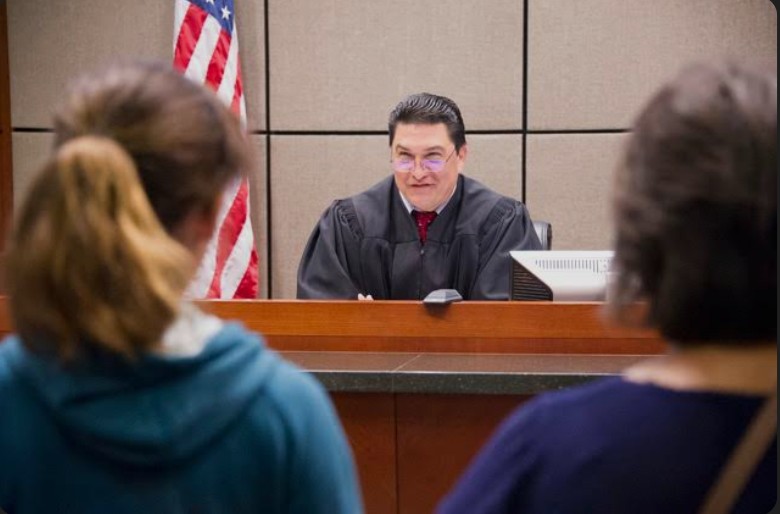
Missing one school day may not seem like a big deal. Then another day slips by. Soon, a student has missed enough class time to fall behind. Chronic school absence can affect grades, friendships, and plans for the future. It can also bring legal concerns for families. Truancy Court in Kansas City seeks to address these issues before attendance problems grow worse. The goal isn’t just to count missed days or hand out penalties. The court process may look at why a student isn’t attending school. That shift matters because poor attendance often has a story behind it.
Why Does School Attendance Become a Court Issue?
Missouri law requires school-age children to attend school, subject to certain legal rules and exceptions. Parents or guardians also have duties tied to a child’s school attendance. Schools often try to solve attendance concerns before a case reaches court. Staff may call parents, hold meetings, or create attendance plans. Some students improve after this early help. Others don’t. When absences keep piling up, the issue may lead to more formal action. Truancy Court can then become part of the response. Here’s the thing: court involvement sounds harsh. Yet a truancy-focused process may seek to fix the cause, not merely point fingers. That approach fits the wider goals linked with Kansas City Specialty Courts. These court models often focus on the issue driving harmful or unlawful conduct.
It Starts With One Simple Question: Why?
Why isn’t the student going to class? That question may sound basic, but the answer can be messy. A child may face bullying. A teen may lack a safe ride. Some students care for younger brothers or sisters. Family stress can play a role too. Housing changes, work hours, and conflict at home may disrupt daily routines. Mental or social struggles may also make the school door feel hard to enter. Skipping class is still a serious concern. Yet punishment alone may not fix these barriers. Think of it like a warning light on a car dashboard. Covering the light doesn’t repair the engine. Someone has to find the real problem. Truancy Court may help bring that problem into view.
Clear Rules Can Give Students Needed Structure
Young people don’t always respond well to vague warnings. “You need to attend more” leaves plenty of room for confusion. Court plans can set clear goals. A student may need to attend school each day, arrive on time, or report absences. The family may have to attend court reviews or meet with school staff. Clear rules create a line students can see. They also make progress easier to track. This can feel strict. In a way, it is. Still, firm structure and support can work together. Regular court check-ins may create a sense of duty. Students know their attendance will be reviewed. Parents also know missed days can’t simply fade into the background.
Small Wins Can Change a Student’s Mindset
Attendance problems rarely vanish overnight. A student who has missed weeks of school may feel lost upon returning. Imagine walking into math class after missing ten lessons. The teacher mentions equations, homework, and an upcoming test. Panic can hit fast. That feeling may push a student to skip again. Truancy programs can focus on steady gains. A better week becomes a starting point. Then comes another week. Small wins matter. When students see their attendance improve, school may feel less out of reach. Better attendance can also give teachers more chances to help with missed work. The aim is to rebuild a routine. Wake up. Get ready. Reach school. Stay in class. Repeat. Simple? On paper, yes. For some families, that routine takes real work.
Parents and Guardians Have a Role Too
Truancy isn’t always just a student issue. Family routines often shape school attendance. Parents may face long work shifts. Transportation may fail. A family may move between homes. Morning plans can fall apart before breakfast is finished. Truancy Court may require parents or guardians to take part in the process. This can place more focus on home routines and adult duties. It can also reveal gaps that need support. A family may need help finding local services. School staff may need to address a safety concern. Communication between the home and school may need repair. No single fix fits every family. That’s why the facts behind each attendance issue matter.
Court Reviews Keep Attendance From Being Forgotten
One major risk with truancy is drift. Days pass, excuses stack up, and no one makes a clear plan. Court reviews can break that pattern. Judges and court staff may review attendance records and discuss recent progress. The student and family may need to explain new absences. These reviews create regular points of contact. They can also show when a plan isn’t working. Maybe transportation remains a problem. Perhaps bullying hasn’t stopped. A student may be attending more often but still arriving late. The plan may need more attention. That’s not the same as giving up. Progress can be uneven. Anyone who has tried to break a bad habit knows that much.
Better Attendance Can Reduce Bigger Risks
School attendance affects more than report cards. Students who miss large amounts of class may lose ties with teachers and classmates. They may also have more unsupervised time during school hours. That can raise concerns about unsafe choices or contact with the justice system. Early action seeks to stop that slide. Specialty court work often looks beyond the case file. Beyond the Bench KC promotes awareness and community support for the rehabilitative mission of Specialty Courts in Kansas City, Missouri. The group’s guiding belief is clear. True justice should address root causes of criminal behavior and support lasting, positive change. Truancy concerns can connect with that same broad idea. Help should reach a problem before it becomes much harder to fix.
Truancy Court Isn’t a Free Pass
Support doesn’t mean there are no rules. Students and families may still face firm court demands. Missed hearings, ignored plans, or continued attendance issues can create more concerns. That’s the mild contradiction in truancy work. The process can be supportive and strict at the same time. Both parts have a purpose. The court may seek better attendance while making it clear that school duties matter. Students are given a chance to improve, but that chance comes with expectations. For many young people, this mix of support and duty can be a turning point.
A Better School Routine Can Open New Doors
Truancy Court can’t promise perfect grades or solve every family problem. What it can do is place school attendance back at the center of the discussion. That matters. A student has a better chance to learn when sitting in class. Teachers can spot learning gaps. Counselors can build trust. Coaches and school clubs can offer a sense of belonging. One school day leads to another. Then a week. Then a month. Better attendance may begin with a court order, a family meeting, or one awkward conversation. The long-term goal is much bigger: help students build a routine that keeps them connected to school. For groups like Beyond the Bench KC, public awareness of Specialty Courts helps the community see justice from a wider view. Sometimes change starts in a courtroom. The real work, though, continues at home, at school, and every morning when a student chooses to show up.
Frequently Asked Questions About Truancy Court in Kansas City
1. What is the Truancy Court, Kansas City?
Truancy Court – deals with chronic school attendance problems that may result in court action. The procedure considers lost school days, family obligations and attendance plans. It may be aimed at getting students back into regular class attendance while holding families to court and school requirements.
2. Does a parent of a truant child incur criminal liability?
If you don’t follow the regulations about sending your child to school, you as a parent or guardian could be in some legal trouble. The facts of each case count. Schools and courts may consider the child’s attendance record, the family’s communication before the child’s absence, and efforts to increase attendance.
3. What happens at a Truancy Court hearing?
The court might look at attendance records and talk about why the student missed school. The court could ask about family routines, transportation or other obstacles. Clearly defined attendance targets and dates for future court reviews can be provided to the student and parent.
4. Does Truancy Court punish pupils for just missing school?
No. A court’s truancy-focused measures may also aim to determine the cause of recurrent absences. Bullying, family stress, transportation and school worries can decrease attendance. The court process might mix strict rules with strategies to get the student back in class.
5. What can greater attendance do for a student in the long run?
Regular attendance means more time with teachers, classmates and school support workers for pupils. It can assist close learning gaps and help restore a consistent daily pattern. Remaining in touch with school might help lessen risks related to long stretches of unsupervised time.