In a proper industrial setting, temperature directly affects how smoothly a process runs. If the temperature is not right, it can affect product quality, equipment performance, and overall safety.
This is why the right RTD and thermowell setup is important. These components appear quite small. However, they are important in keeping measurements accurate and overall systems running without any issues.
If you make the wrong selection, you might get wrong readings, unnecessary maintenance, and frequent breakdowns. In some cases, it could cause process interruptions. When you use the right combination, all jobs will get done efficiently. The overall system remains reliable and supports it over long periods.
What Is an RTD & Thermowell Assembly?
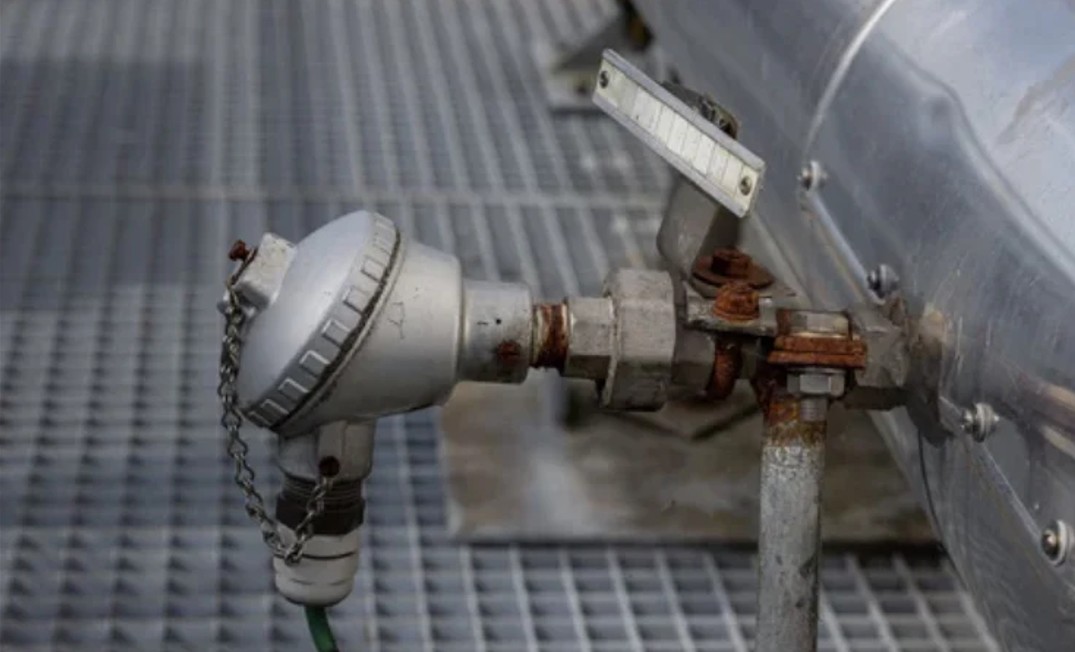
A Resistance Temperature Detector is a sensor that measures temperature by tracking changes in electrical resistance. Most RTDs use platinum because it gives stable and reliable readings over time.
A thermowell is not a sensor. It is a protective cover that goes between the process and the RTD. Its job is to keep the sensor safe from direct exposure to harsh conditions like high pressure, flowing media, or corrosive substances. This protects the RTD so it can safely measure temperature without breaking.
The RTD does the measuring and the thermowell protects the components when they are used together. This is a common setup in the oil and gas, chemical processing, and power plant industries.
Why is it important to choose the right one?
The right mix has a direct effect on how well the system works over time. Problems can start to show up early if the choice isn’t right for the process.
If you don’t choose the right setup, it might take a long time to respond to changes in temperature or give readings that aren’t always correct. The sensor can break from time to time because of corrosion, vibration, or pressure. These issues can make it harder to keep processes running and might even cause downtime.
If you choose the RTD and thermowell carefully, they will work well without needing a lot of attention. This helps keep things accurate, keeps maintenance in check, and makes things safer to use, especially in dangerous situations.
Important Things to Consider
1. Conditions of the process
The first thing you need to do is learn about the place where the sensor will be put. Each process has its own range of temperatures, pressures, and flow conditions. These factors influence the selection.
Start with the temperature range. It is important to know both the minimum and maximum temperatures the system will reach. RTDs perform well across a wide range. They can have limits that should not be ignored.
In high-pressure systems, the thermowell needs to be strong enough to withstand continuous stress. If the design is not suitable, it may deform or fail over time.
Flow conditions are also important. When the process involves fast-moving fluids or gases, the thermowell must be able to handle vibration and mechanical force.
2. Choosing Materials
The material you choose will affect how long the thermowell and sensor last. Different materials are needed in different places.
Many different things are made of stainless steel, such as SS304 and SS316. It is strong enough not to rust, which is a good balance. Inconel and other materials work better in hotter or harsher conditions. People use alloys like Hastelloy in places where chemicals can eat away at things.
Choosing the wrong material can cause corrosion, make the structure weaker, or cause it to fail early. That is why material compatibility with the process should always be checked.
3. Thermowell Design and Mounting
The design of the thermowell is quite important. It affects both safety and performance.
You will come across different mounting options according to the application. Most units use threaded connections in low or medium-pressure systems. Flanged connections are great for high-pressure applications to secure the fit. Welded installations are permanent.
The shape of the thermowell tip is also important. Tapered designs are often used in high-flow conditions because they help reduce vibration and improve strength.
4. Insertion Length
This aspect refers to how far the sensor extends into the process. It has a direct impact on measurement accuracy.
If the insertion length is too short, the sensor may not capture the actual process temperature. If it is too long, it can increase the chances of vibration or mechanical stress. The ideal position is where the temperature is stable and not affected by nearby surfaces or flow disturbances.
5. Response Time
The sensor is safe because of thermowells. They also put something between the process and the RTD. This can make the sensor take longer to respond to changes in temperature.
In some cases, thinner tip designs can be used to speed up response time. Materials that are good at conducting heat also help with faster measurements.
6. Accuracy
There are different accuracy classes for RTDs, like Class A and Class B.
Industries like pharmaceuticals, food processing, and calibration systems use sensors that are more accurate. For a lot of general industrial uses, standard accuracy levels are good enough and work well for keeping an eye on processes.
7. Stress and vibration in machines
When there is a lot of flow or turbulence, vibration becomes a problem. This can make the thermowell weaker over time and cause it to fail.
To deal with this, stronger designs like tapered thermowells are used. Installation is also very important. The sensor’s angle and position can change how it responds to flow forces. Engineers may also look at wake frequency calculations to make sure everything is safe in some cases.
Different industries have different needs for RTD and thermowell assemblies.
In oil and gas applications, systems often work at very high temperatures and pressures. There are fluids that can eat away at things. For this, you need strong materials and secure mounting, like flanged connections.
Power plants need to be stable for a long time. Sensors should work all the time in high temperatures without needing to be replaced often.
Material compatibility is the main thing to think about when processing chemicals. Because there are harsh chemicals present, special alloys may be needed to keep things from rusting.
Because of these differences, it might not be possible to choose a standard solution for every case. You should always think about the application.
Mistakes to Avoid
One common mistake is not fully understanding the conditions of the process before choosing the sensor. Not including details like pressure or flow can lead to bad decisions.
Another problem is picking parts based only on how much they cost. Even though it may seem like a good idea at first, it can end up costing more later because of failures or replacements.
Another common problem is putting the wrong length of insertion, which can affect how accurate the measurements are. Another thing that is sometimes missed is material compatibility, which can cause corrosion in harsh environments.
Installation Tips for Better Performance
Proper sealing is necessary to prevent leaks, especially in high-pressure systems. The sensor should be installed at the correct angle and position, avoiding areas near bends or obstructions where flow may not be stable.
Using the right fittings ensures that the assembly stays secure. When installation is done properly, it supports both readings and safe operation.
Final Thoughts
Selecting the right RTD and thermowell becomes simpler when you break it down step by step. It starts with understanding the process conditions and continues with choosing the right material, design, and installation method.
When everything is matched correctly, the system performs smoothly and requires less attention over time. It also helps avoid unnecessary costs and supports safe operation.
In industrial environments, small choices like these quietly determine long-term performance.