Futures trading refers to a contract to sell or purchase a commodity in the future. Futures do not involve a one-to-one exchange of assets like in spot trading, but one is able to speculate on price changes without having to own the underlying asset. These contracts exist in the traditional market, including commodities and stocks, but have now been expanded to the crypto markets. Cryptocurrency futures provide a chance to gain profit in a volatile market with the use of margin and leverage to control the risk. The fundamentals that a novice must comprehend about futures are the mechanics of futures trading, their special risks, and how they contrast with traditional trading, so that one can make prudent decisions.
What Is a Futures Contract
A futures contract is a legal agreement to buy or sell an asset at a given price on a given date in the future. Such contracts are traded using a margin system, in which a trader needs to deposit a small portion of the contract’s overall value (also known as the initial margin) to open a position. Futures can be perpetual (with no expiry date) or traditional (with an expiry date). Contrary to typical contracts, which are settled at maturity, perpetual contracts are funded at rates that keep the price constant. These differences are known to help in exposure and capital management in leveraged trading.
Key Terminology Every Beginner Must Understand
Before entering the market, it is essential to learn some key terms. Leverage allows you to work with decreased capital and higher leverage, where profits and losses are multiplied. The margin is the security necessary to maintain the open position and avoid liquidation. Funding rates are periodic payments between long and short contracts to keep the prices of perpetual contracts in line with the prices in the spot market. The liquidation price is the point at which the exchange automatically closes your position to prevent any further losses. The aggregate of outstanding contracts that describe the market activity and liquidity is called open interest. The definitions of such terms are clearly spelled out in sites like Zoomex Futures Trading, and the novices can easily navigate through contracts with a lot of confidence.
Futures Trading Structure Table
| Component | Definition | Function | Risk Level | Beginner Consideration |
| Margin | Collateral for position | Enables leverage | Moderate to High | Start small |
| Leverage | Borrowed exposure | Amplifies gains and losses | High | Use cautiously |
| Funding Rate | Periodic payment between traders | Keeps price aligned | Variable | Monitor frequently |
| Liquidation | Forced position closure | Protects exchange solvency | High | Avoid overexposure |
| Contract Type | USDT or coin-margined | Determines settlement | Medium | Understand settlement terms |
Step-by-Step Process to Execute a Futures Trade
To start trading, open a wallet and deposit funds. The type of contract selected, i.e., whether it is USDT or a coin-margined contract, is essential to sufficient settlement. You ought to calculate the level of leverage wisely, taking into account the risk and reward. Then add market, limit, or stop orders according to your strategy. Monitor watch margin requirements and funding rates on the initial occurrence of vacancies to avoid forced liquidation and unforeseen expenses. Constant observation of these variables will help in a smoother implementation process and capital management that beginners in highly volatile markets require.
Core Beginner Safeguards
- Use isolated margin initially: Limits risk to a single position while preventing total account exposure, allowing focused learning without jeopardizing overall capital.
- Apply stop-loss orders: Protects your capital from major price reversals and encourages disciplined trading habits, ensuring risk remains manageable in volatile markets.
- Start with low leverage: Reduces the likelihood of liquidation and helps build confidence while learning futures mechanics in a safer environment.
- Track funding rates: Monitoring funding costs prevents unexpected expenses and identifies periods of extreme market sentiment.
- Monitor liquidation price: Awareness of the liquidation threshold supports proactive margin adjustments and maintains control over open positions.
Understanding Long and Short Positions
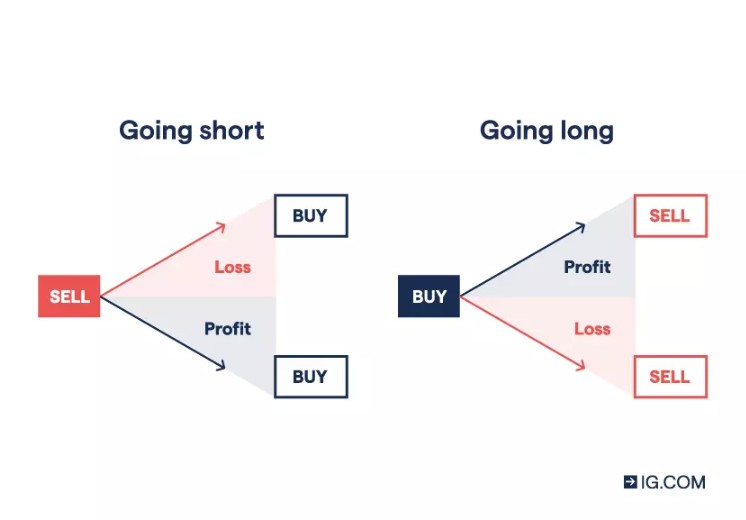
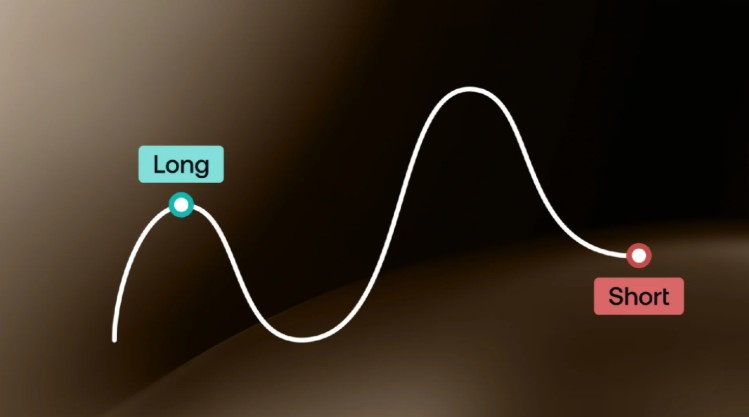
Futures trading offers the chance to profit from markets that are rising and falling. When the price of an asset increases, a long position becomes profitable, and investors can capitalize on the trend. Conversely, a short position benefits from a drop in the asset, providing opportunities even during a bearish market. It is this two-way nature that makes futures attractive for hedging and speculative purposes. The trick to success is to learn how to get in long or short at the right time, analyze it, and use the right leverage and risk management strategies.
Risk and Reward Dynamics in Futures
The characteristics of futures trading magnify gains and losses, requiring disciplined capital management. Portfolio growth can be expedited with higher rewards, though inexperienced use of leverage can lead to huge losses within a comparatively short time. The foremost factor is conservation of capital, particularly when one is new, as he or she still needs to master his or her strategy and market analysis skills. Emotional control is also important, as a sudden price change may lead to impulse buying. Acquiring a systematic orientation, adhering to precautions, and continuously assessing risk exposure can ensure sustainable growth in trading leveraged markets.
How Zoomex Simplifies Futures Trading for Beginners
Zoomex futures trading is an easy-to-use, informative site suitable for beginners. A special tutoring section is available to learn about contract and trading strategy concepts. It helps that USDT perpetual and coin-based contracts offer flexible settlement options. With copy trading, inexperienced traders can trade with experienced traders at a low risk. The Boost Your Capital feature enables the use of trading capital in a more flexible fashion, and 24/7 multilingual support is provided to offer guidance when necessary, while the user-friendly interface opens futures trading to less experienced investors.
Conclusion
Futures trading is a highly responsible yet very appealing option for augmenting profits—amateurs like structure in. Exposure to discipline is an icebreaker. Informed decision-makingdecision-making will be based on knowledge of leverage, margins, funding rates, and liquidation mechanics. Experience, combined with trusted infrastructure in the form of detailed tutorials and useful tools, will facilitate sustainable trading growth. Capital protection and emotional control, combined with the right strategies, can help traders navigate turbulent markets without fear and exploit the opportunities available. Futures trading can prove not to be such a risky business, but a systematic financial development through commitment and constant education.