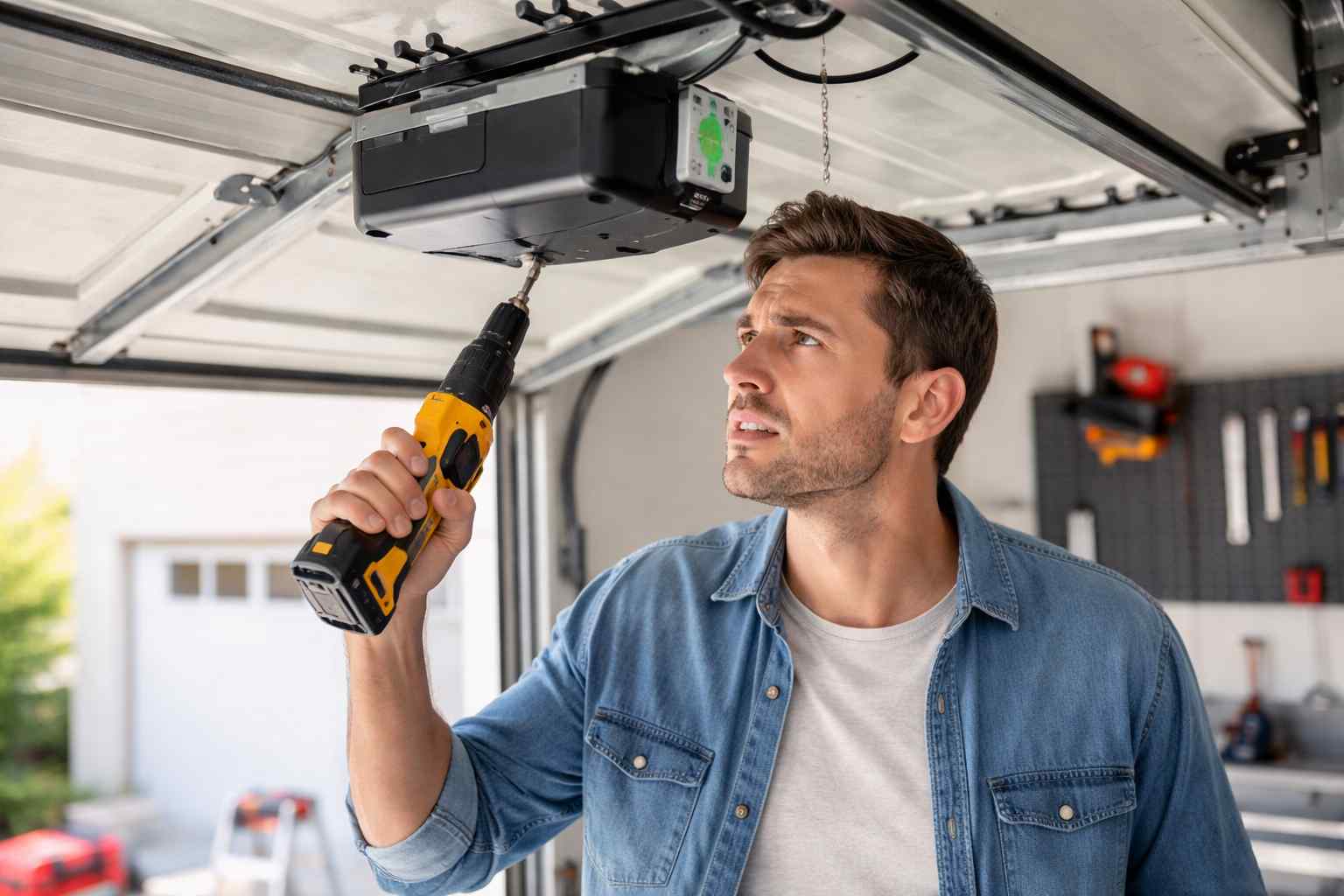
A garage door that refuses to open or close can be frustrating and inconvenient. Understanding the possible causes helps homeowners address the issue safely and efficiently. In many cases, a few careful checks can reveal whether the problem is mechanical, electrical, or related to the door’s balance.
Common Mechanical Issues
Mechanical problems are among the most frequent reasons a garage door stops functioning correctly. Parts such as springs, cables, and rollers experience wear over time, which can interrupt smooth operation. Regular inspection and timely replacement of worn components prevent more serious damage.
When springs lose tension or break, the door may become too heavy to lift. Similarly, frayed cables can cause uneven movement or prevent the door from closing properly. Rollers that are damaged or off track may produce scraping sounds or cause the door to jam midway.
Electrical and Sensor Problems
Modern garage doors rely on electrical systems and sensors for automated operation. When these systems fail, the door often refuses to move or reverses unexpectedly. Misaligned safety sensors are a common culprit, as their infrared beams must remain unobstructed.
Checking for dirt or debris on the sensor lenses can sometimes solve the issue. If the opener motor hums but the door stays still, the problem could involve the circuit board or internal wiring. In such cases, turning off the power before inspection is essential for safety.
Remote and Control Panel Malfunctions
Sometimes, the issue lies not with the door itself but with its control devices. Dead batteries in the remote or a locked control panel can stop the door from responding. Testing these simple components can save unnecessary repair costs.
Resetting the opener or reprogramming the remote may restore normal function. If the problem persists, it may indicate a deeper electrical fault that requires professional evaluation.
Balance and Alignment Concerns
A garage door must be properly balanced to operate smoothly. When the balance is off, the opener motor works harder than intended, leading to premature wear. Homeowners can test balance by disconnecting the opener and manually lifting the door halfway. If the door falls or rises, adjustment is needed.
Track alignment is equally important. Bent or misaligned tracks can cause the door to move unevenly or get stuck. Gentle tapping with a rubber mallet sometimes realigns minor bends, but significant distortion should be examined by a specialist.
Preventive Maintenance for Long-Term Reliability
Preventive care extends the lifespan of any garage door system. Lubricating moving parts, tightening hardware, and inspecting weather stripping all contribute to smoother performance. Seasonal maintenance helps identify potential issues before they escalate.
Homeowners who also rely on driveway gates should consider scheduling periodic checks for both systems. Services such as gate repair santa clarita offer expertise in diagnosing and addressing mechanical and structural concerns that affect secure entryways.
When Professional Help Becomes Necessary
While minor troubleshooting can be handled independently, certain repairs require specialized tools and knowledge. Tension springs, electrical connections, and opener motors pose safety risks when handled improperly. Seeking assistance from technicians experienced in garage door repair in Santa Clarita ensures the work is completed safely and efficiently.
Understanding the underlying cause of a malfunctioning garage door helps maintain both convenience and safety. With routine inspection, careful maintenance, and timely expert intervention, homeowners can keep their garage systems operating smoothly throughout the year.