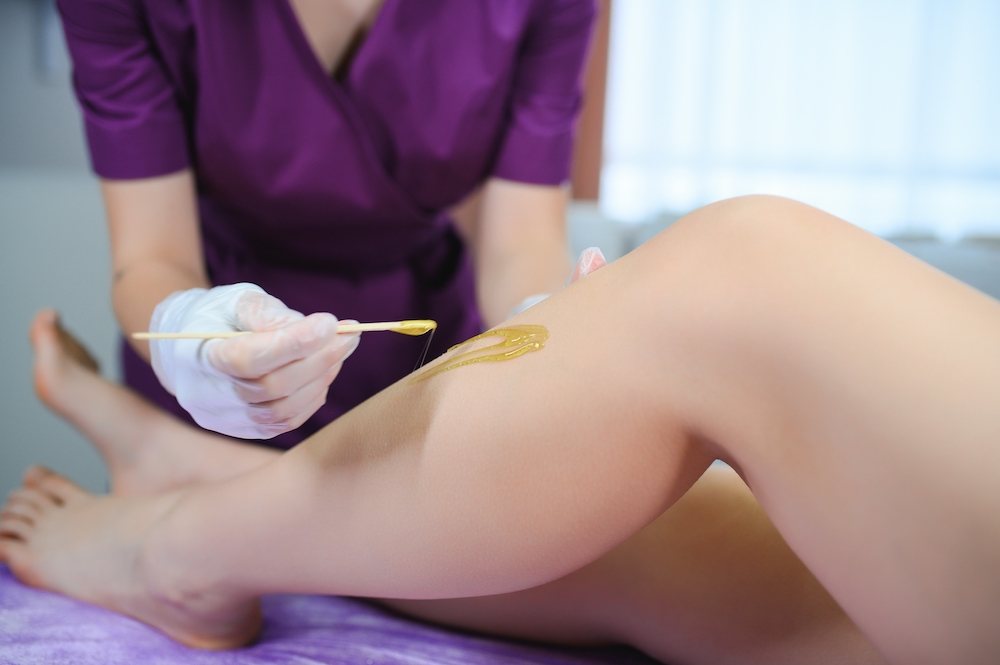
Waxing is a popular hair removal method known for its smooth, long-lasting results. However, those with sensitive skin often wonder whether it is safe and what steps can be taken to prevent irritation. Understanding your skin’s needs and how waxing works can make all the difference in achieving a comfortable experience.
Understanding Sensitive Skin
Sensitive skin reacts quickly to changes, products, and pressure. Common signs include redness, itching, and dryness. When hair removal is involved, these reactions can become more noticeable, especially in delicate areas like the bikini line. Knowing your triggers is the first step in preparing for a waxing session.
How Waxing Affects the Skin
Waxing removes hair from the root, which can temporarily expose pores and make the skin more vulnerable to irritation. For sensitive skin, this process may cause mild redness or a tingling sensation. These effects are normal and usually subside within a few hours when proper aftercare is followed.
Choosing the Right Type of Wax
Not all waxes are created equal. Soft wax is applied thinly and removed with strips, while hard wax hardens on the skin and is removed without cloth. Those with delicate skin often prefer hard wax because it adheres to hair rather than skin, reducing discomfort and minimizing redness.
Preparing for a Bikini Wax
Proper preparation can help prevent irritation and ensure a smoother process. Before a bikini wax, it is helpful to follow a few simple steps that support skin health.
- Gently exfoliate the area one day before the appointment to remove dead skin cells.
- Avoid using lotions or oils immediately before waxing, as they can affect wax adhesion.
- Wear loose clothing to prevent friction afterward.
- Inform your esthetician if you are using skincare products with acids or retinoids.
Aftercare for Sensitive Skin
Post-wax care is crucial for reducing redness and keeping the skin calm. Applying a cool compress or a soothing gel can help ease discomfort. Avoid heat exposure, vigorous exercise, and tight clothing for at least 24 hours to allow the skin to recover naturally.
Common Reactions and How to Manage Them
It is normal for sensitive skin to appear slightly pink or feel warm after waxing. However, certain reactions can be minimized with proper care. If small bumps appear, applying a gentle antiseptic lotion can help. Persistent irritation may indicate that the skin barrier needs additional hydration.
Professional Expertise Matters
Working with an experienced esthetician ensures that the right wax type and techniques are used for your skin type. Professionals are trained to maintain sanitary conditions and adjust temperature and pressure for comfort. This expertise is especially important for treatments like a bikini wax in Chicago, where environmental factors such as humidity and temperature can also influence post-treatment sensitivity.
Understanding Skin Recovery Time
After waxing, sensitive skin generally needs about 24 to 48 hours to fully recover. During this period, it is best to keep the area clean and avoid applying scented products. Hydration through gentle moisturizers supports healing and maintains smoothness between sessions.
When to Avoid Waxing
In some cases, waxing may not be suitable. If the skin is sunburned, inflamed, or undergoing medical treatments that thin the skin, it is better to postpone the session. Consulting with a skincare professional can help determine whether waxing is appropriate based on your current condition.
Maintaining Healthy Skin Between Sessions
Consistent care between waxing appointments can keep sensitive skin comfortable. Regular exfoliation with mild scrubs, proper hydration, and protection from harsh weather help reduce irritation. Over time, the hair may also grow back finer, making subsequent sessions easier on the skin.