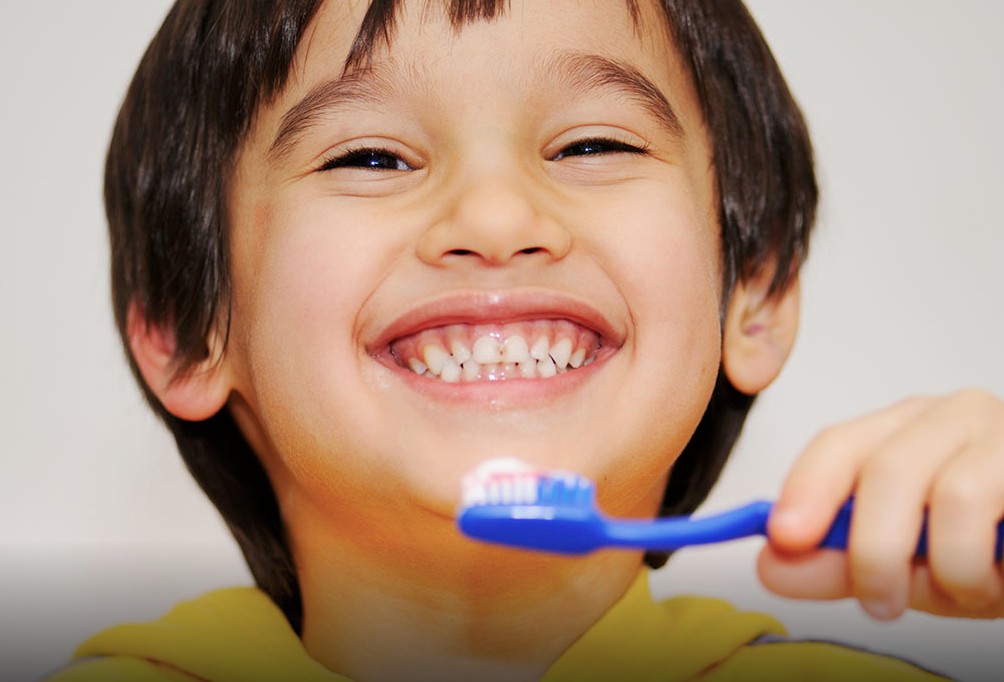
Early childhood cavities are among the most common dental problems young children face, but the good news is that they are highly preventable. Cavities can form quickly in baby teeth, especially when sugar stays on the teeth for long periods or oral hygiene habits are still developing. By understanding the causes and taking simple, consistent steps at home, parents can protect their child’s smile and prevent discomfort, costly treatments, and long-term dental issues. Seeing the dentist Idaho Falls regularly is very important in taking care of one’s teeth.
Start Good Oral Care Early
Preventing cavities begins long before a child’s first tooth appears. Even before teeth emerge, parents can gently wipe an infant’s gums with a soft, damp cloth after feedings, and as children grow, supportive approaches like Oral probiotics may help promote a balanced oral environment. This removes bacteria and helps establish healthy habits early on. Once the first tooth erupts, usually between 6 and 12 months, brushing should begin right away. Use a small, soft-bristled toothbrush and a tiny smear of fluoride toothpaste to clean your child’s teeth twice a day.
Limit Sugary Drinks and Snacks
Sugar is one of the biggest contributors to early childhood cavities. Juice, flavored milk, soda, and sugary snacks can coat teeth and feed cavity-causing bacteria. Even milk or formula left sitting on teeth for too long can cause decay. To protect your child’s teeth, limit sugary drinks, avoid letting children sip on beverages throughout the day, and reserve juice for special occasions. Providing water as the primary drink and offering tooth-friendly snacks like fruit, cheese, and vegetables can significantly reduce cavity risk.
Avoid Putting Children to Bed With Bottles
One of the most common causes of early childhood cavities is bottle-feeding at bedtime. When children fall asleep with milk, formula, or juice in their mouth, the sugars stay on their teeth for hours. This leads to a condition often called baby bottle tooth decay. Instead of giving bottles at bedtime, encourage a consistent nighttime routine that includes brushing teeth, followed by water if your child needs a drink. If a baby still needs a bottle for comfort, fill it only with water after brushing.
Encourage Healthy Habits Early
Children learn by example. When parents brush and floss regularly, children are more likely to follow. Make brushing a fun family activity by brushing together, setting a timer, or playing a favorite song to encourage brushing for the full two minutes. As children grow, continue supervising and helping them brush until they develop the fine motor skills to do it thoroughly—usually around age six or seven.
Schedule Regular Dental Visits
Routine dental visits are essential for preventing early childhood cavities. Children should visit the dentist by age one or within six months of their first tooth erupting. These early appointments allow the pediatric dentist to monitor tooth development, apply fluoride treatments if needed, and offer guidance on diet, brushing, and cavity prevention. Regular cleanings help remove plaque and tartar that brushing alone can’t reach, lowering the risk of decay.
Consider Fluoride for Added Protection
Fluoride is a powerful tool in preventing cavities. It strengthens tooth enamel and makes it more resistant to acids produced by bacteria. Your dentist may recommend fluoride toothpaste, varnish treatments, or supplements depending on your child’s individual needs and the fluoride levels in your local water.
Early childhood cavities can be painful and disruptive, but with consistent oral care and healthy habits, they are largely preventable. By brushing early, limiting sugary drinks, avoiding bedtime bottles, and keeping regular dental appointments, parents can give their child a strong foundation for lifelong oral health. A healthy smile starts at home—and the steps you take today can protect your child’s teeth for years to come.