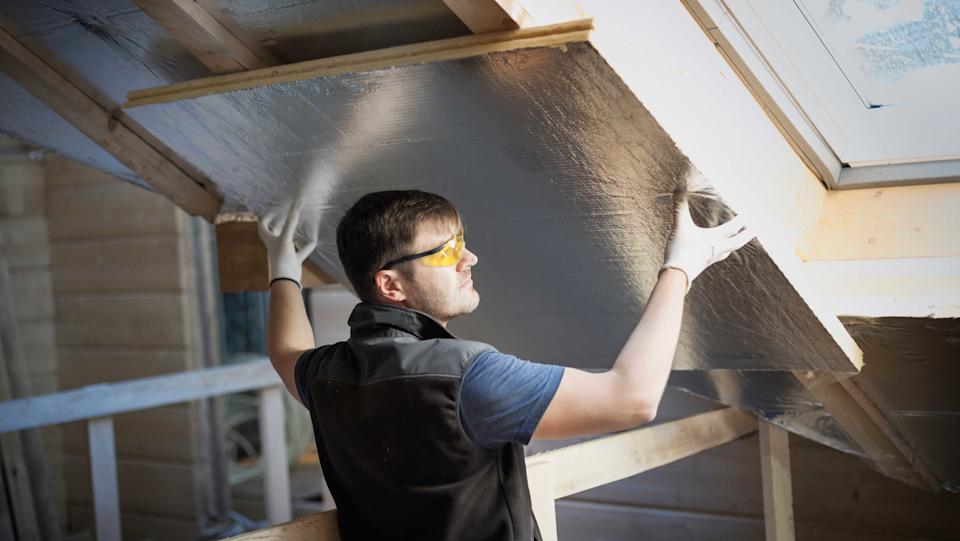
As temperatures begin to drop, ensuring your attic is properly insulated becomes essential for maintaining comfort and energy efficiency. Many homeowners overlook this space, assuming it’s doing its job. However, several subtle signs can indicate that your attic insulation may need improvement before winter arrives.
Uneven Temperatures Throughout the Home
If some rooms feel significantly colder or warmer than others, it might signal inadequate insulation in the attic. Heat naturally rises, and without a proper barrier, it escapes through the roof. This uneven distribution forces heating systems to work harder, increasing energy costs and reducing indoor comfort.
Higher Energy Bills During Cold Months
One of the clearest indicators of poor insulation is a sudden rise in heating expenses. When warmth leaks through the attic, your furnace must run longer to maintain the desired temperature. Evaluating your energy bills year over year can reveal whether heat loss is becoming a costly issue.
Cold Drafts and Chilly Ceilings
Touch the ceiling or upper walls of your home on a cold day. If these areas feel noticeably cool, the insulation above them may be insufficient. Drafts coming from ceiling fixtures or attic openings also suggest that warm air is escaping and cold air is seeping in.
Ice Dams Forming on the Roof
When snow melts unevenly on your roof and refreezes at the edges, it forms ice dams. These occur when warm air from the attic melts snow near the ridge, while the edges remain cold. Proper insulation and ventilation help maintain consistent roof temperatures to prevent this issue.
Visible Changes in Attic Insulation
Inspecting your attic offers valuable clues. If the insulation looks compressed, thin, or unevenly spread, it likely needs attention. Moisture stains or mold growth indicate that warm, humid air is condensing within the insulation, reducing its effectiveness and potentially damaging the structure.
Temperature Fluctuations Near the Ceiling
Use a thermometer to check for temperature differences between floor and ceiling levels. A large gap suggests heat loss through the roof. Upgrading insulation can help maintain a balanced indoor climate and reduce strain on heating systems.
Choosing the Right Insulation Approach
Different materials offer varying levels of performance. Fiberglass, cellulose, and spray foam each provide unique benefits depending on attic structure and climate conditions. Consulting an insulation company in Ottawa can help determine the most suitable option for your home’s needs and energy goals.
Advantages of Blown-In Insulation
For many homes, blown in insulation ottawa is a practical solution. It fills gaps and hard-to-reach areas, creating a seamless layer that reduces air leaks. This method is particularly effective for retrofitting older homes where existing insulation may have settled or deteriorated over time.
Maintaining Efficiency After Installation
Once new insulation is installed, it’s important to monitor its performance. Regular attic inspections can identify moisture issues, air leaks, or pest damage before they compromise energy efficiency. Keeping ventilation pathways clear also ensures proper airflow and reduces the risk of condensation.
Preparing Your Home for Winter Comfort
Recognizing the early signs of poor attic insulation allows homeowners to take preventive steps before winter weather sets in. Addressing these issues not only improves comfort but also supports energy conservation and reduces long-term heating expenses. A well-insulated attic makes an immediate difference in both warmth and cost savings.