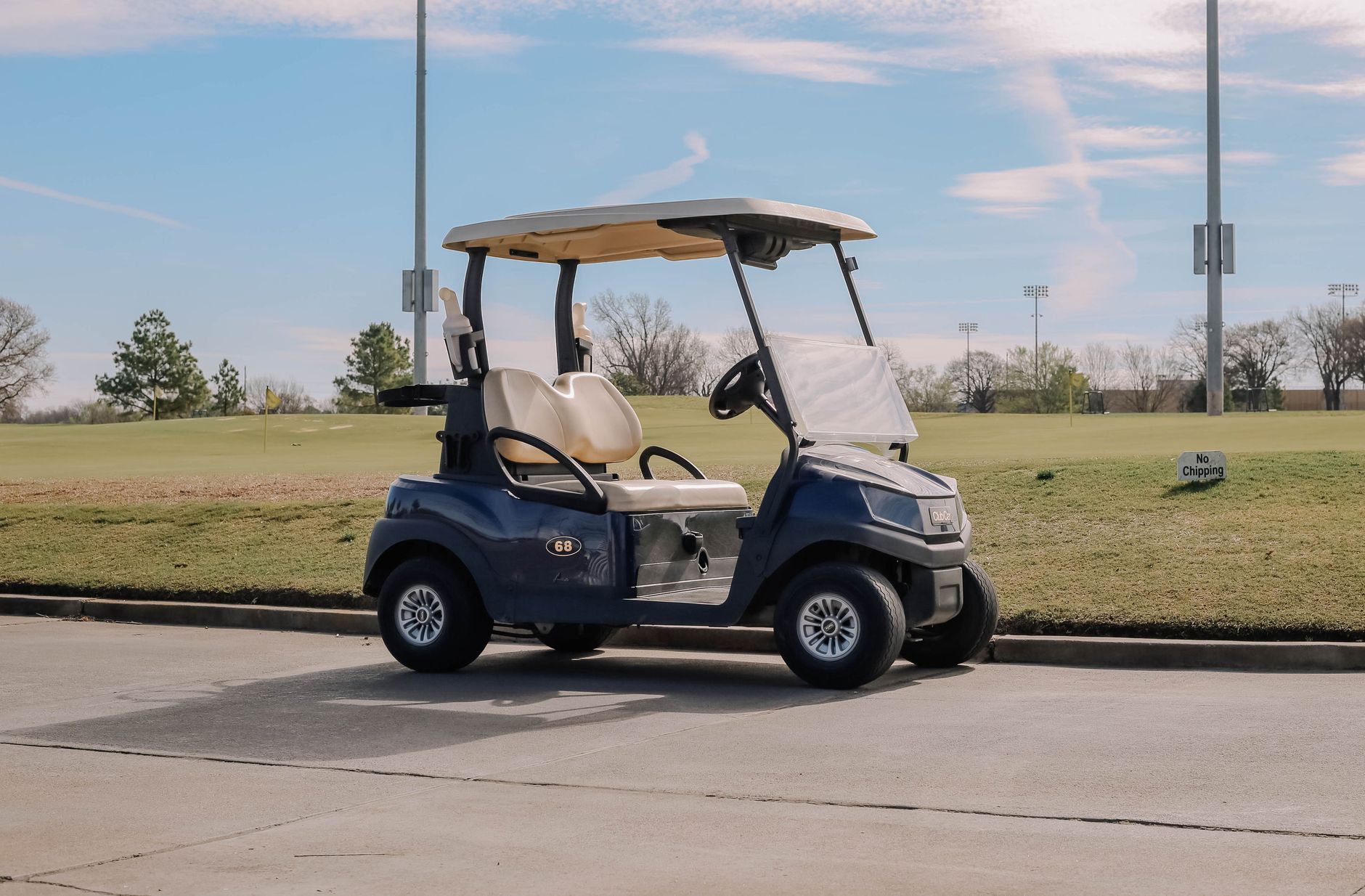
In North Texas, golf carts are becoming more and more common, and their uses stretch far beyond conventional golf courses. Large residential estates, ranches, agricultural holdings, private communities, and business facilities are now traversed by property owners using these adaptable vehicles. However, the size of the property, the topography, maintenance requirements, and daily transportation demands must all be carefully taken into account when deciding between gas and electric golf carts. Buyers may make a sensible purchase by being aware of how each choice performs in various scenarios.
The Impact Of Property Size On Golf Cart Choice
The best golf cart to use depends in large part on the size of the property. Electric golf carts are often beneficial for private communities, gated communities, and smaller residential estates because of their quiet operation and simplicity of transportation over extremely short distances.
Different problems arise with larger properties. Vehicles that can travel long distances throughout the day may be necessary for ranch owners, farmers, and others in charge of large tracts of land. Because they enable operators to rapidly refill without waiting for batteries to recharge, gas golf carts may be helpful in certain situations.
Before choosing an appropriate model, property owners investigating possibilities via NTX Carts may take into account their daily use needs, topographical conditions, and usual journey lengths.
Performance In Rural Properties And Uneven Terrain
Properties in North Texas often include a variety of topography, such as uneven ground, grassy fields, gravel roads, and dirt walkways. Motor power, suspension design, tire selection, ground clearance, and vehicle weight are some of the variables that affect golf cart performance.
When moving equipment or traversing large rural areas, gas golf carts may provide continuous running during taxing operations. Owners who need reliable transportation over extended workdays could find their performance attributes appealing.
Additionally, electric golf carts, especially the most recent versions with strong engines and sophisticated battery systems, offer remarkable potential. When negotiating rough terrain or ascending mild slopes, electric motors’ instantaneous torque might be helpful.
Buyers should consider the specs and anticipated operating circumstances of each vehicle rather than assuming that one power source is always stronger.
Operating Expenses And Long-Term Financial Factors
The purchase price is simply one aspect of owning a golf cart. Overall costs are influenced by fuel prices, power usage, regular maintenance, replacement parts, and battery life.
Fuel purchases and engine maintenance, such as oil changes, filter replacements, and routine inspections, are necessary for gas golf carts. When cars are used regularly, these costs may add up.
In general, electric golf carts need less maintenance connected to their engines. Owners may recharge their cars with a suitable electrical connection and avoid buying fuel. However, replacing batteries might be quite expensive in the future, especially when they are nearing the end of their useful lives.
Electric models may have appealing operational economics for properties with regular daily transit patterns. In situations where long running hours and quick recharging are important, gas models could still be useful.
Everyday Property Activities And Noise Levels
Another factor that might affect the ownership experience is noise. Electric golf carts are ideal for residential areas, retirement homes, recreational sites, and other settings where reducing noise is crucial since they run softly.
Property owners who often transport visitors or go close to residences and outdoor meeting places may also profit from their quieter operation.
During operation, gas golf carts emit exhaust and make noise from their engines. Although this may not be as problematic on large rural holdings, it might be apparent in residential areas with high population densities.
When purchasing NTX Carts, buyers should evaluate how often their vehicles will be used close to shared recreational areas, animals, neighbors, and outdoor activities.
Infrastructure For Charging And Fuel Accessibility
Access to appropriate charging facilities is necessary for electric golf carts. Owners of properties should think about how charging schedules will work with daily activities, where cars will be stored, and if electrical outlets are accessible.
Temperature, topography, vehicle load, and driving behavior may all affect battery performance. Summertime in North Texas makes it especially crucial to take care of batteries and follow manufacturer-recommended storage procedures.
As long as gasoline is easily accessible, gas golf carts allow easy refueling. For distant locations where there is no infrastructure for charging or where cars need to run continuously for long periods of time, this flexibility may be helpful.
Conclusion
For properties in North Texas, gas and electric golf carts have clear benefits. While gas variants provide rapid refilling and flexibility for longer operations, electric models offer silent mobility, convenient charging, and comparatively easy regular maintenance. Property size, topography, frequency of operations, infrastructure, and ownership expenses all influence the best option. Property owners may choose a golf cart that will provide reliable performance and useful value for years to come by carefully weighing these considerations.