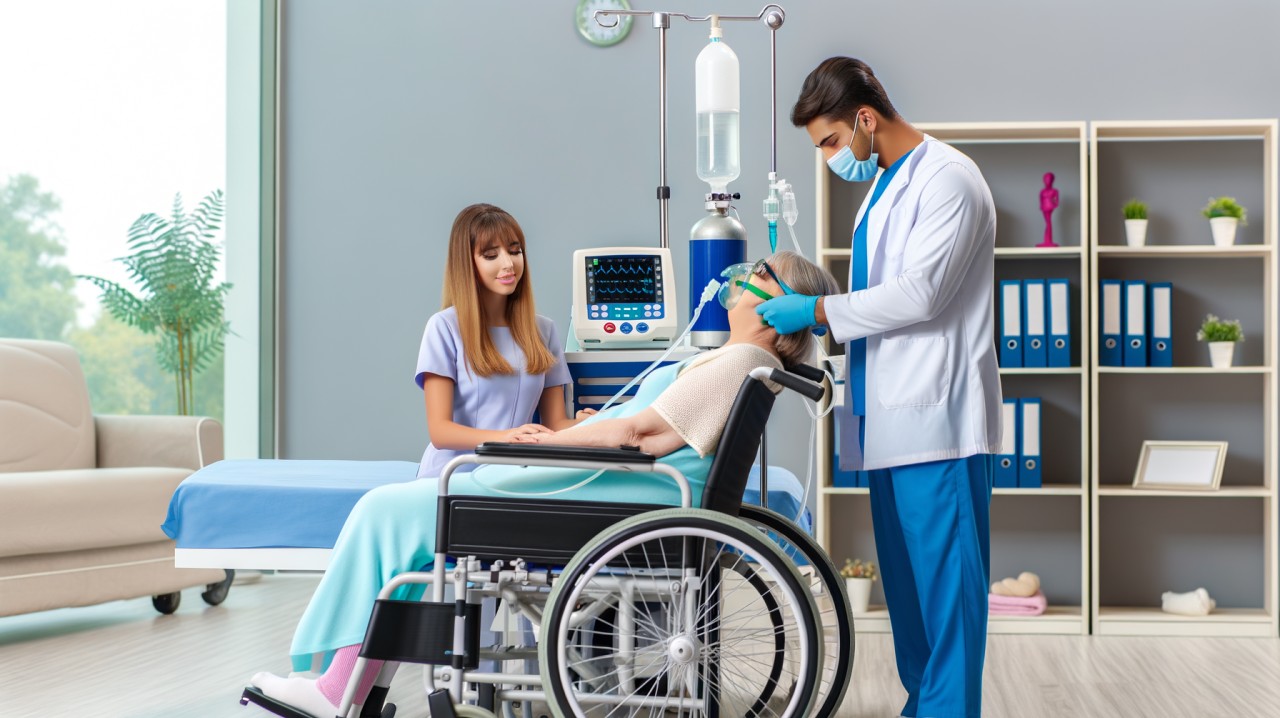
The healthcare industry is filled with acronyms, but few are as practically important to patients and providers alike as DME. Whether you are recovering from surgery, managing a chronic condition, or supporting an elderly loved one at home, understanding what DME is — and how it functions within the healthcare system — can make a profound difference in outcomes, costs, and quality of life. This guide walks you through everything you need to know about durable medical equipment, from its definition and coverage to real-world applications and best practices.
What Is DME? Breaking Down the dme meaning
The term DME stands for Durable Medical Equipment. According to the Centers for Medicare & Medicaid Services (CMS), durable medical equipment refers to any equipment that:
- Can withstand repeated use
- Is primarily and customarily used for a medical purpose
- Is not useful to a person in the absence of illness, injury, or disability
- Is appropriate for use in the home
In simple terms, dme meaning encompasses a broad range of medical devices and tools that help patients manage health conditions outside of a hospital or clinical setting. These are not single-use items like bandages or syringes — they are reusable, longer-lasting pieces of equipment designed to support ongoing medical needs.
Common examples of DME include:
- Wheelchairs and mobility scooters — for patients with limited or no ability to walk independently
- Hospital beds — adjustable beds designed for home use during recovery or long-term care
- Oxygen equipment — concentrators, tanks, and tubing for patients with respiratory conditions
- CPAP and BiPAP machines — used to treat obstructive sleep apnea
- Walkers, crutches, and canes — assistive devices that support safe ambulation
- Blood glucose monitors — essential tools for patients managing diabetes
- Infusion pumps — devices used to deliver medication or nutrition intravenously
- Prosthetics and orthotics — custom-fitted devices that replace or support limbs and joints
Understanding the dme meaning is the first step toward navigating the healthcare system more effectively, whether you are a patient, caregiver, healthcare provider, or insurance professional.
How dme works in the Healthcare System
To fully appreciate the role that durable medical equipment plays, it is essential to understand how dme works across the entire chain — from the physician’s office to the patient’s home. The process involves several interconnected steps and stakeholders.
Step 1: The Physician’s Prescription
DME is not something a patient simply walks into a store and purchases with insurance coverage. In most cases, a licensed physician, nurse practitioner, or physician assistant must write a formal prescription or a Certificate of Medical Necessity (CMN). This document explains:
- The patient’s diagnosis
- Why the equipment is medically necessary
- How long the equipment will be needed
- The specific type and features of the equipment required
Without a valid prescription and CMN, insurers — including Medicare and Medicaid — will typically deny coverage for the equipment.
Step 2: The Role of a DMEPOS Supplier
DMEPOS stands for Durable Medical Equipment, Prosthetics, Orthotics, and Supplies. These are the companies authorized to supply equipment to patients. To participate in Medicare and Medicaid, DMEPOS suppliers must be accredited by a CMS-approved organization and enrolled in the Medicare program.
The supplier verifies:
- The patient’s insurance eligibility
- The physician’s prescription and CMN
- Coverage criteria for the requested item
- Prior authorization requirements (where applicable)
Once all documentation is confirmed, the supplier delivers or ships the equipment to the patient’s home, along with instructions for safe use.
Step 3: Insurance Coverage and Billing
One of the most complex aspects of how dme works is the billing and reimbursement process. Medicare Part B, for example, typically covers 80% of the approved amount for covered DME, while the patient is responsible for the remaining 20% after meeting their deductible. Many supplemental insurance plans (Medigap) cover that remaining portion.
Private insurance companies have their own rules, which can vary significantly by plan, state, and diagnosis. Some items are covered as a purchase, while others — particularly expensive equipment like power wheelchairs — may only be covered on a rental basis initially, with ownership transferring to the patient after a set number of months.
Step 4: Delivery, Setup, and Patient Education
Delivery is not just dropping a box at the door. Accredited DMEPOS suppliers are required to provide patient education on how to safely use and maintain their equipment. For complex items like ventilators, infusion pumps, or powered mobility devices, a trained technician may need to set up the equipment in the patient’s home and conduct a formal demonstration.
Step 5: Ongoing Maintenance and Replacement
DME doesn’t last forever. Most equipment has an expected useful life, after which insurance may cover replacement. In the meantime, suppliers are often responsible for repairs and maintenance, especially during rental periods. Patients should keep records of all maintenance and notify their supplier if equipment malfunctions or no longer meets their clinical needs.
Categories of DME: A Closer LookHome Mobility Equipment
For millions of patients recovering from orthopedic surgery, stroke, or living with progressive neurological conditions, home mobility equipment is life-changing. Manual wheelchairs, power wheelchairs, knee scooters, and stair lifts all fall under this umbrella. The selection of the right device depends on the patient’s diagnosis, functional abilities, home environment, and lifestyle.
Respiratory Equipment
Chronic obstructive pulmonary disease (COPD), congestive heart failure, and sleep apnea are among the most common conditions requiring respiratory DME. Oxygen concentrators, portable oxygen devices, nebulizers, and positive airway pressure devices (CPAP/BiPAP) are prescribed based on specific clinical criteria and require proper setup and ongoing monitoring to be effective and safe.
Diabetes Management Equipment
Blood glucose monitors, lancets, test strips, and insulin pumps are categorized as DME or DME-adjacent supplies. For patients with Type 1 or Type 2 diabetes, having access to reliable and accurate equipment is non-negotiable. Continuous glucose monitoring (CGM) systems have become increasingly available through insurance in recent years, representing a major advancement in diabetes management.
Home Infusion Therapy
Some patients require intravenous (IV) medications or nutrition at home — a service known as home infusion therapy. This involves specialized infusion pumps, IV poles, tubing, and medications. The coordination required between the prescribing physician, pharmacy, and DMEPOS supplier is significant, but when properly managed, home infusion therapy dramatically reduces hospital readmission rates.
Orthotic and Prosthetic Devices
Custom-fitted braces (orthotics) and artificial limbs (prosthetics) represent some of the most technically sophisticated DME available. The fitting process involves detailed measurements, casting, and multiple adjustments. Advances in materials science and digital fabrication have made modern prosthetics lighter, stronger, and more functional than ever before.
Why DME Matters: The Bigger PictureReducing Hospital Readmissions
One of the most compelling arguments for proper DME access is its impact on hospital readmission rates. When patients return home after surgery or a serious illness without the right equipment, complications rise sharply. A patient with COPD who lacks a home oxygen system, or a post-surgical patient who cannot safely ambulate without a walker, is at significantly higher risk of a fall, respiratory event, or wound complication that results in a costly hospital readmission.
Supporting Aging in Place
The vast majority of older adults in the United States — and globally — express a strong preference to remain in their homes rather than moving to nursing facilities. DME is one of the primary tools that makes aging in place possible. Hospital beds with adjustable positions, grab bars and bath safety equipment, hoyer lifts, and home monitoring devices allow elderly patients to maintain independence with dignity.
Cost Savings for the Healthcare System
Home-based care facilitated by DME is dramatically less expensive than inpatient care. A patient requiring supplemental oxygen at home costs the healthcare system a fraction of what the same patient would cost during a hospital stay. Widespread, well-managed DME access is not just a patient-centered strategy — it is a fiscally responsible one.
Improving Quality of Life
Beyond clinical outcomes and cost, DME has a profound impact on quality of life. A patient with advanced multiple sclerosis who gains access to a customized power wheelchair regains mobility, social participation, and a sense of autonomy. A child with Type 1 diabetes who uses an insulin pump and CGM system gains flexibility and better glycemic control. These improvements ripple outward, affecting mental health, family dynamics, and overall well-being.
Common Challenges with DME Access
Despite its importance, access to durable medical equipment is not without obstacles.
Coverage Denials
Insurance companies frequently deny DME claims on the grounds that the equipment is not “medically necessary” by their criteria, even when a physician disagrees. Navigating the appeals process requires time, persistence, and thorough documentation.
Documentation Burden
The paperwork required to obtain DME coverage — prescriptions, CMNs, clinical notes, prior authorizations — can be overwhelming for both patients and healthcare providers. Many denials stem from documentation errors rather than actual ineligibility.
Supplier Availability
Not all geographic areas have adequate DMEPOS suppliers. Rural patients in particular may face significant delays in obtaining equipment due to limited local supplier networks and shipping challenges.
Fraud and Abuse
The DME industry has historically been a target for healthcare fraud, including billing for equipment that was never delivered or ordering unnecessary devices. As a result, CMS and private insurers have implemented increasingly stringent oversight measures, which — while necessary — can slow down the process for legitimate patients and suppliers.
Tips for Patients Navigating the DME Process
- Get everything in writing. Request a copy of your prescription, CMN, and any prior authorization approval before equipment is ordered.
- Verify your supplier’s credentials. Ensure your DMEPOS supplier is accredited and enrolled with your insurance plan.
- Understand your coverage. Ask your insurer specifically what percentage they will cover, whether the item will be rented or purchased, and how long the rental period lasts before ownership transfers.
- Appeal denials. A denial is not the end of the road. Work with your physician and supplier to submit a detailed appeal with supporting clinical documentation.
- Keep records. Maintain a file of all paperwork related to your DME, including delivery receipts, maintenance logs, and correspondence with your insurer.
The Future of DME: Technology and Innovation
The durable medical equipment landscape is evolving rapidly. Smart medical devices now incorporate Bluetooth connectivity, cloud-based data tracking, and artificial intelligence to improve patient outcomes and enable remote monitoring by healthcare providers. Smart CPAP machines, for example, transmit nightly usage data directly to a physician’s portal, allowing for real-time therapy adjustments without an in-person visit.
Robotic exoskeletons — once the realm of science fiction — are now approved DME for certain patients with spinal cord injuries. 3D printing is revolutionizing prosthetics, enabling faster and more affordable custom fabrication. Telehealth integration with DME is creating new models of care in which patients are remotely monitored through their devices, reducing unnecessary office visits while improving safety.
Conclusion
Durable medical equipment is far more than hardware. It is a critical component of the modern healthcare infrastructure, bridging the gap between clinical care and everyday life. Understanding the dme meaning — equipment that is durable, medically necessary, and designed for home use — is the foundation of navigating the system effectively. Knowing how dme works, from the initial prescription through insurance billing and delivery, empowers patients and caregivers to advocate for themselves and get the tools they need.
As technology continues to advance and healthcare shifts ever further toward home-based, patient-centered models, DME will only grow in importance. Staying informed, working with accredited suppliers, and understanding your insurance rights are the keys to making the most of what durable medical equipment has to offer.