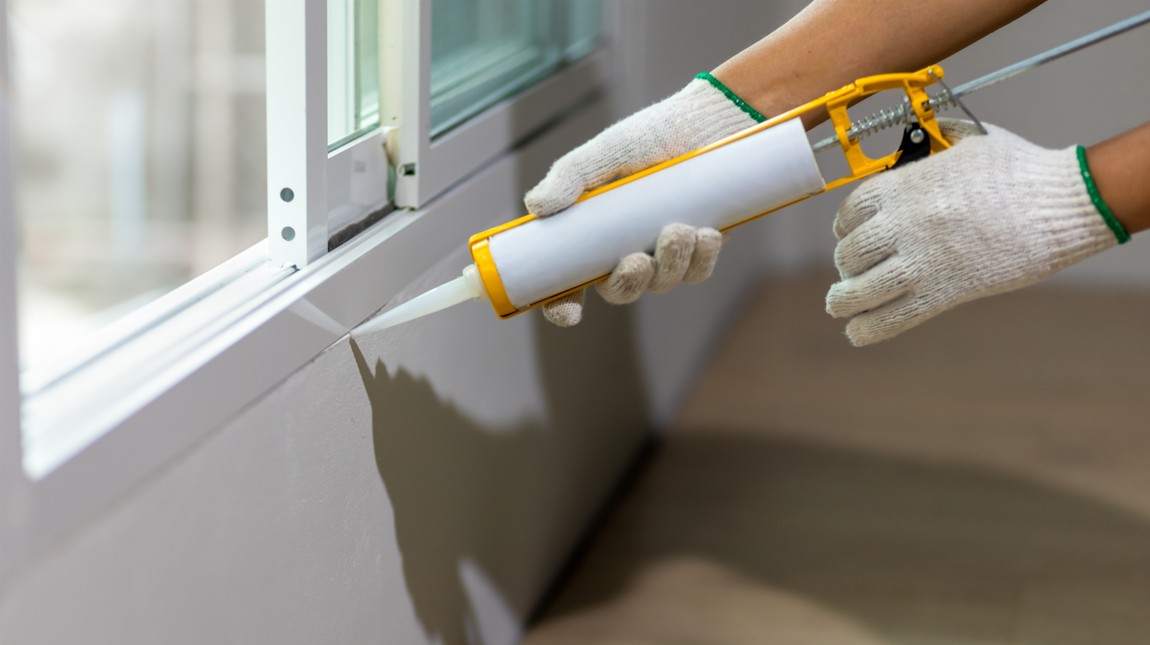
Buildings endure constant exposure to weather, temperature changes, and structural movement. Over time, these factors can cause gaps or cracks around joints, windows, and exterior panels. Proper sealant maintenance plays a vital role in preventing moisture intrusion, air leakage, and energy loss, ensuring that a structure remains durable and efficient.
The Role of Sealants in Building Integrity
Sealants serve as flexible barriers that close joints and seams where different materials meet. They accommodate movement between surfaces while keeping out water and contaminants. Without well-maintained sealants, even minor openings can allow moisture to penetrate, leading to corrosion, mold growth, and material decay.
In commercial settings, commercial caulking ensures that large buildings maintain their structural performance. These projects often involve complex façades where multiple materials interact. Regular inspection and resealing are essential to prevent costly damage and maintain compliance with safety standards.
Common Causes of Sealant Failure
Even the best sealants can deteriorate over time. Environmental exposure, ultraviolet light, and building movement gradually reduce elasticity and adhesion. Improper installation or incompatible materials can also accelerate failure, leaving the joint vulnerable.
Recognizing the signs of failure early helps extend a building’s lifespan. Cracking, peeling, discoloration, or gaps around joints indicate that replacement is necessary. Ignoring these issues can lead to water infiltration and structural damage that require extensive repairs.
Benefits of Regular Maintenance
Routine inspection and maintenance of sealants offer multiple benefits for property owners and managers. A proactive approach reduces the likelihood of emergency repairs and supports long-term cost savings.
- Prevents water damage and mold growth
- Improves energy efficiency by reducing air leaks
- Maintains the building’s aesthetic appearance
- Extends the service life of exterior materials
- Supports compliance with building performance standards
When sealants are properly maintained, they preserve the protective envelope of the building. This ensures that insulation, cladding, and structural components remain in good condition for many years.
Inspection and Maintenance Best Practices
Effective maintenance begins with a thorough visual inspection. Technicians should assess joints, corners, and expansion areas for signs of wear. Testing adhesion and flexibility helps determine whether the material remains effective or requires replacement.
Scheduling periodic reviews based on environmental conditions and building age is recommended. In some cases, resealing may be necessary every few years, especially in high-exposure areas such as rooftops or exterior glass systems.
Professional Expertise and Material Selection
Choosing the correct sealant material is crucial for long-term performance. Silicone, polyurethane, and hybrid formulations offer different levels of flexibility, adhesion, and weather resistance. Selecting the right type depends on the materials being joined and the expected movement of the joint.
Experienced professionals providing caulking services can evaluate the site conditions and recommend suitable products. Their expertise ensures that the surfaces are properly prepared, sealants are applied at the correct depth, and the finish is smooth and uniform.
Long-Term Protection Through Preventive Care
Sealant maintenance should be viewed as a preventive measure rather than a reactive task. Regular attention to the building envelope helps avoid moisture-related deterioration and preserves the structural framework. By investing in consistent inspection and timely replacement, owners safeguard their properties and maintain overall building health for the long term.