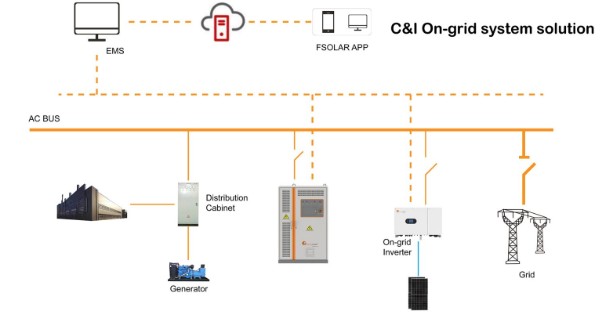
Energy storage is emerging as a game changer for commercial and industrial (C&I) buildings. With the increasing demand for reliable power solutions, businesses are exploring innovative ways to enhance their energy efficiency and reduce costs. Think of it like having a personal savings account for energy—it allows facilities to store excess power generated during off-peak hours and use it when demand spikes.
As sustainability takes center stage in corporate strategies, understanding C&I energy storage systems has never been more important. From cutting down electricity bills to enhancing grid resilience, these systems offer numerous benefits that can transform how your facility operates. Ready to dive into the world of C&I energy storage? Let’s explore what you need to know before making an informed decision about the right system for your building.
Understanding the Role of Energy Storage in C&I Buildings
Energy storage plays a pivotal role in the efficiency of C&I buildings. It acts as a buffer, storing energy during low-demand periods and releasing it when needed most. This capability helps facilities manage peak loads effectively.
With renewable sources like solar and wind becoming more prevalent, energy storage systems complement these technologies. They ensure that excess energy generated can be retained and used later, reducing reliance on grid power.
Moreover, energy storage enhances reliability. In an era where outages can disrupt operations, having stored energy provides peace of mind for businesses. It ensures critical functions continue even during disruptions.
The financial aspect is equally important. Energy storage allows facilities to take advantage of time-of-use pricing structures by drawing from stored reserves instead of buying electricity at peak rates.
Types of Energy Storage Systems Available
Energy storage systems come in various forms, each suited to different needs and applications.
Battery energy storage is one of the most common types. Lithium-ion batteries dominate this space due to their efficiency and decreasing costs. They provide quick response times for peak shaving and load shifting.
Flywheels represent another innovative solution. These devices store kinetic energy and can release it rapidly, making them ideal for frequency regulation in grid applications.
Pumped hydro storage remains a traditional method, utilizing water elevation to generate power when needed. This system is beneficial for large-scale operations but requires specific geographical features.
Thermal energy storage captures heat or cold for later use, often employed in commercial buildings to manage cooling loads effectively during peak hours.
Each type has unique advantages that cater to varying operational requirements within C&I facilities.
Factors to Consider When Choosing an Energy Storage System
When selecting an energy storage system, several key factors come into play. First, evaluate your facility’s energy demand patterns. Understanding peak usage times helps in choosing the right capacity.
Next, consider the available technologies. Lithium-ion batteries are popular for their efficiency and lifespan, while other options like flow batteries may offer unique benefits for certain applications.
Another essential aspect is regulatory incentives. Many regions provide financial support or tax benefits for adopting C&I energy storage systems. Research local policies to maximize potential savings.
Don’t overlook installation space and infrastructure requirements either. Some systems require more room than others or need specific electrical configurations.
Think about scalability. Your business might grow over time; investing in a flexible system can accommodate future expansion without major overhauls.
Case Studies: Successful Implementation of Energy Storage in C&I Buildings
One notable case study involves a large manufacturing facility that integrated a lithium-ion battery system. This installation allowed the company to store energy during off-peak hours, reducing costs significantly. During peak demand, they tapped into this stored energy, leading to substantial savings on their electricity bill.
Another example can be found in a retail chain that deployed a flow battery system across multiple locations. The flexible nature of the technology enabled them to balance load and enhance resiliency against power outages. As a result, stores remained operational even during adverse weather conditions.
Additionally, an office complex utilized flywheel energy storage to manage fluctuations in electricity demand effectively. By doing so, they not only improved their sustainability metrics but also enhanced tenant satisfaction through uninterrupted service and reduced utility expenses.
These real-world examples showcase how diverse C&I facilities benefit from tailored energy storage solutions.
Cost Analysis and Potential Savings for C&I Buildings with Energy Storage
When considering C&I energy storage, understanding costs is crucial. Initial investments can vary widely based on the technology chosen, capacity needs, and installation requirements.
However, these upfront expenses often pale in comparison to long-term savings. Energy storage systems help manage peak demand charges that can inflate monthly utility bills. By optimizing energy usage during off-peak hours, facilities can significantly reduce their overall operational costs.
Additionally, businesses may benefit from incentives or rebates provided by local governments for adopting renewable energy solutions. These financial aids can further offset expenditures related to implementation.
The potential return on investment (ROI) becomes even more attractive when accounting for reduced reliance on grid power during outages or high-cost periods. Each facility’s unique scenario will dictate specific savings; thus a careful analysis tailored to individual circumstances is essential for maximizing benefits.
Maintenance and Upkeep for Different Types of Energy Storage Systems
Maintaining energy storage systems is crucial for optimal performance. The type of system you choose will dictate the specific upkeep requirements.
For lithium-ion batteries, regular monitoring is essential. Check for temperature fluctuations and ensure proper ventilation to avoid overheating. Battery management systems can help track health metrics over time.
Lead-acid batteries require periodic equalization charging to balance cell voltages. Inspect connections and terminals frequently to prevent corrosion and maintain good conductivity.
Flywheel systems need less maintenance but still benefit from routine checks on mechanical components. Lubrication of moving parts ensures smooth operation.
Pumped hydro setups involve water level management and infrastructure inspections. Keep an eye on pump efficiency as wear can impact overall functionality.
With a proactive approach, facilities can enhance their energy storage longevity while minimizing disruptions in service.
Conclusion: Finding the Best Energy Storage Solution for Your Facility’s Needs
Selecting the right C&I energy storage system for your facility is crucial in today’s energy landscape. There are various types of systems available, each with its unique advantages and challenges. Understanding how these systems function and their specific roles can significantly impact your operational efficiency.
Consider factors such as your energy consumption patterns, peak demand charges, and existing infrastructure when making a choice. Each facility has different needs that require tailored solutions.
Real-world case studies have demonstrated how businesses benefit from implementing energy storage systems. These examples highlight the potential for increased resilience during power outages and savings on utility bills through time-shifting strategies.
Cost analysis plays a pivotal role in decision-making too. Evaluating initial investment versus long-term savings will provide clarity on financial viability over time. Remember to factor in maintenance costs as well; certain technologies may require more upkeep than others.
As you explore options, engage with experts who can guide you based on your specific requirements and objectives. The ideal C&I energy storage solution should enhance operational efficiency while aligning with sustainability goals—setting a strong foundation for future growth.
Finding that balance may take some effort, but investing the time now will yield dividends later as your facility adapts to changing demands in the energy sector.