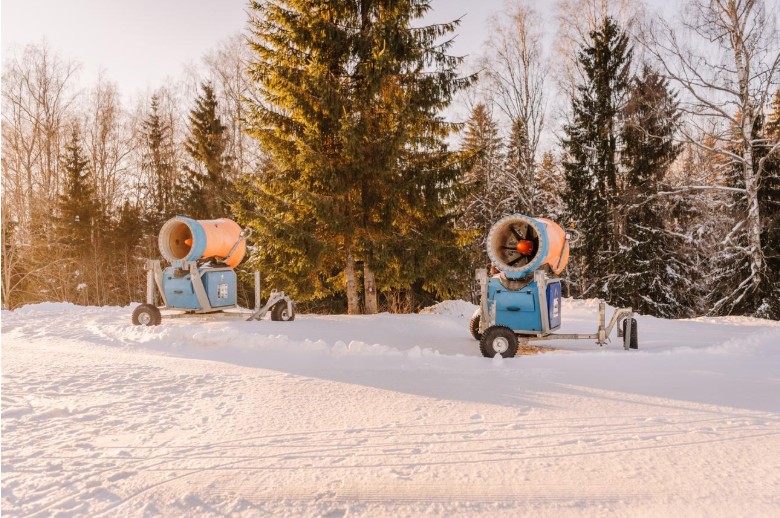
A professional snow machine helps commercial event planners create a winter atmosphere without depending on real snow. It can be used for holiday events, retail displays, corporate parties, film shoots, resort activations, and seasonal outdoor installations.
For planners, the goal is not only to create snow. The machine should also suit the location, crowd size, attendee movement, safety needs, and event timing. Choosing the wrong equipment can lead to weak coverage, wet surfaces, poor visibility, or extra cleanup.
Know The Snow Effect You Need
Start by deciding what kind of snow effect the event requires. Some machines create soft falling snow, while others produce heavier output for larger spaces.
A small indoor setup may only need light flurries near a photo area or stage. A large outdoor event may require stronger output and wider coverage.
Before choosing a machine, consider:
- Is the event indoors or outdoors?
- Do you need light snowfall or heavy coverage?
- How long will the machine run?
- Will guests walk through the snow area?
- Is the snow mainly for photos, décor, or entertainment?
Clear answers will help you choose the right size and power level.
Check Coverage And Output
Coverage is one of the most important factors. A machine that works well for a storefront may not be strong enough for a large entrance, courtyard, or event stage.
Look at the output distance, spray direction, and recommended coverage area. A reliable professional snow machine should perform consistently during repeated use, especially for long commercial events.
For wider spaces, one machine may not be enough. Two or more units can create a fuller and more even snow effect across walkways, backdrops, or outdoor displays.
Consider The Venue
The venue can change how artificial snow looks and behaves. Wind, ceiling height, flooring, lighting, and nearby equipment all matter.
Outdoor spaces may require more powerful machines because wind can blow snow away from the target area. Indoor venues need careful placement to prevent slippery floors, overspray, or buildup near food stations, electronics, or seating.
Lighting is also important. Snow can look bright and realistic under the right lighting, but it may disappear in poor lighting or appear too harsh under strong spotlights.
Review Fluid Use And Costs
Most snow machines require special snow fluid. The amount used depends on the machine’s output setting, tank size, and total run time.
A lower-cost machine may not always be the most cost-effective option if it uses fluid quickly or requires frequent refills. For commercial planners, downtime during an event can be a serious issue.
When comparing a commercial snow machine, include the full cost of fluid, maintenance, storage, transport, staff time, and cleaning.
Focus On Safety And Setup
Safety should be planned before event day. Confirm that the snow fluid is suitable for the venue and ask about cleanup requirements in advance.
Also check:
- Power needs
- Noise level
- Machine weight
- Mounting or placement options
- Distance from guests
- Cleanup and drainage needs
The best machine is not just powerful. It should also be easy for the team to move, set up, monitor, and remove.
Test Before The Event
Always test the machine before guests arrive. Check the snow direction, coverage, lighting, and surface buildup.
A quick test gives your team time to adjust the angle, timing, and placement. It also helps prevent common issues such as uneven snow, slippery spots, or machines placed too close to guests.