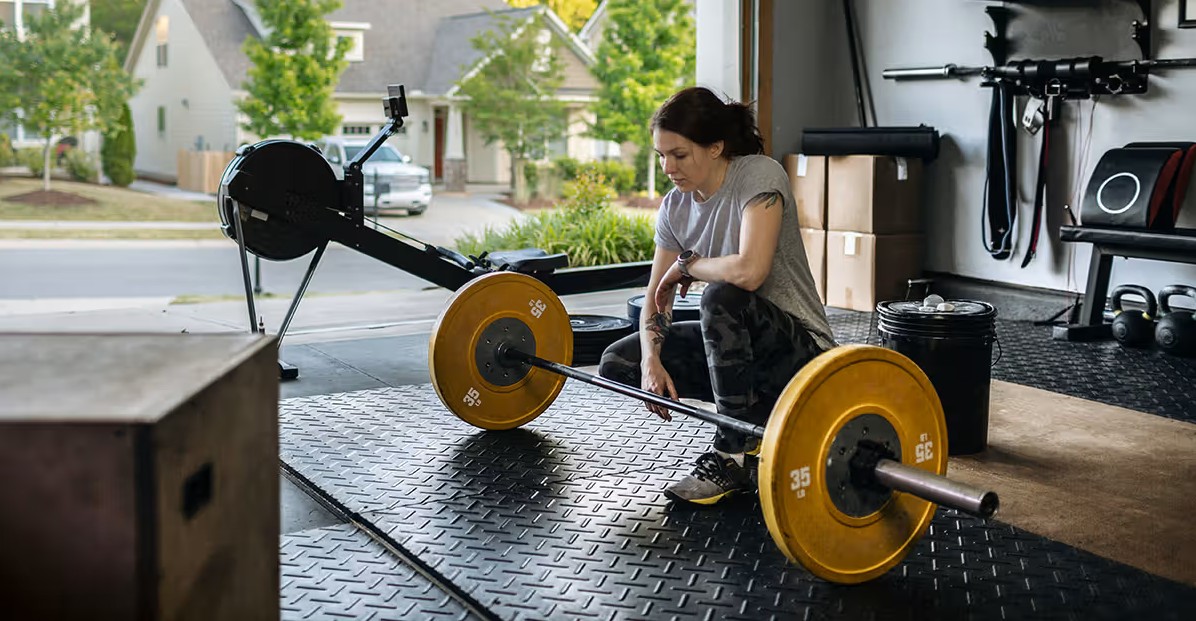
Finding the right balance between exercise and recovery is essential for long-term progress. Rest days allow muscles, joints, and the nervous system to adapt to physical stress. Without proper rest, training can quickly lead to fatigue or injury. Understanding how many rest days to take depends on individual goals, age, and fitness level.
Why Rest Days Matter
During exercise, muscles experience small amounts of stress and microscopic damage. Recovery days give the body time to repair, rebuild, and strengthen. This process improves endurance, flexibility, and overall performance. Skipping rest can reduce motivation and lead to overtraining symptoms like persistent soreness or sleep difficulties.
General Guidelines for Rest
Most people benefit from one to three rest days each week. However, the exact number depends on training intensity and personal recovery speed. Lighter workouts such as walking or mobility exercises may require less downtime, while intense resistance or endurance sessions may need more recovery time.
- Beginners: 2 to 3 rest days per week
- Intermediate exercisers: 1 to 2 rest days per week
- Advanced athletes: 1 rest day or active recovery as needed
Listening to the body is the best guide. Fatigue, joint discomfort, or reduced performance are signs that additional rest may be necessary.
Rest and Age Considerations
As the body ages, recovery processes naturally slow down. A personal traner for the elderly can help create a balanced schedule that respects these changes. Older adults often benefit from alternating strength, cardio, and flexibility sessions with regular rest days to prevent strain.
Focusing on proper nutrition, hydration, and sleep further supports muscle repair and joint health. Rest days are not a sign of weakness but an important part of sustainable fitness at any age.
Active Recovery Options
Rest does not always mean full inactivity. Gentle activities such as stretching, swimming, or yoga can promote circulation and reduce stiffness. Active recovery keeps the body moving while still allowing time for healing. This approach helps maintain consistency without adding unnecessary fatigue.
Training Frequency for Online Programs
Many people use an online personal trainer in Canada to structure their workouts. These programs often include built-in rest and recovery phases to match each client’s goals. Virtual guidance can help individuals monitor progress, avoid burnout, and adjust training volume when needed.
Even with remote training, rest remains a crucial component. Taking the right number of rest days ensures steady improvement while minimizing injury risk. Balancing intensity and recovery promotes a more enjoyable and sustainable fitness journey.
Building a Sustainable Routine
Effective training relies on more than just effort. It requires awareness of how the body responds to stress, how sleep and nutrition influence recovery, and how rest contributes to long-term success. By respecting rest days, individuals can train consistently, reduce fatigue, and enjoy lasting results from their exercise routine.