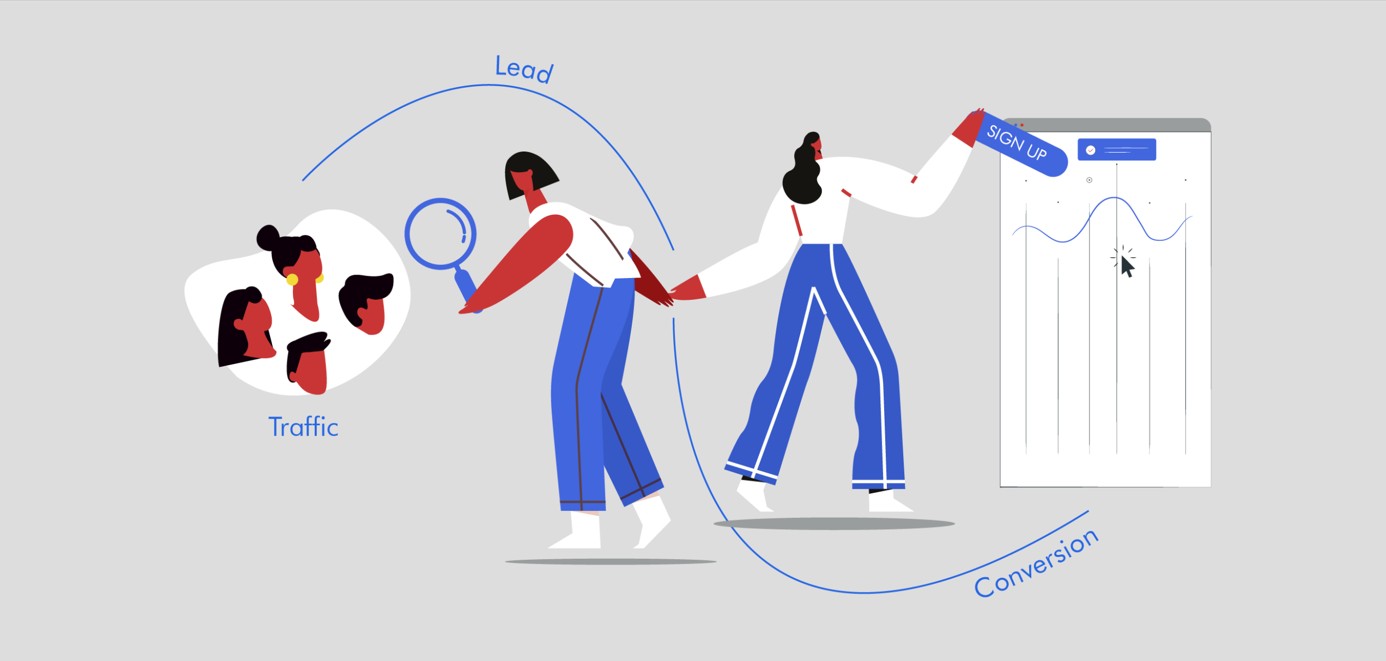
Businesses that wish to expand their market presence and attract potential customers have made digital advertising an indispensable strategy. However, generating thousands of website visits does not necessarily translate into increased sales or meaningful business growth. Many businesses spend a lot of money on advertising campaigns only to find that a large percentage of their traffic is made up of people who are not interested in buying their goods or services. A greater emphasis on drawing in qualified prospects who are really interested in what a company has to offer is necessary for effective advertising.
The Difference Between Traffic and Quality Leads
Website traffic represents the number of visitors arriving through advertisements, while quality leads are individuals who demonstrate genuine interest and have the potential to become paying customers. A campaign generating 10,000 visitors with only a handful of conversions may be less valuable than one attracting 1,000 visitors who actively engage with the business.
Companies using professional paid ads services can focus their advertising strategies on attracting relevant audiences rather than simply increasing visitor numbers. This approach involves analyzing customer behavior, understanding purchasing intentions, and developing campaigns that encourage meaningful interactions. Prioritizing lead quality allows businesses to allocate their marketing budgets more effectively while improving conversion opportunities.
Identifying the Right Target Audience
Effective advertising begins with understanding the characteristics of potential customers. Businesses should examine demographic information, purchasing preferences, geographic locations, and common challenges experienced by their ideal audience. Advertisers may use this information to develop campaigns that target those who are most likely to profit from their products.
By breaking up prospective clients into smaller groups according to certain interests or behaviors, audience segmentation may further enhance marketing effectiveness. For example, a business offering premium professional services may achieve better results by targeting decision-makers with relevant purchasing authority rather than reaching a broad audience.
Developing detailed customer profiles also helps businesses create advertising messages that address specific needs and expectations. Accurate targeting reduces irrelevant clicks and increases the likelihood of generating valuable inquiries.
Selecting Keywords Based on Search Intent
Keyword selection plays an important role in determining the quality of leads generated through search advertising. Broad keywords may attract substantial traffic, but they often include users searching for general information rather than immediate solutions.
Advertisers should prioritize keywords that demonstrate commercial or transactional intent. Search phrases containing terms such as services, pricing, consultation, or professional assistance may indicate stronger purchasing interest, depending on the industry.
Negative keywords are equally important because they prevent advertisements from appearing for irrelevant searches. Regularly reviewing search term reports allows advertisers to identify unnecessary spending and refine their keyword strategies. This continuous optimization helps businesses attract visitors who are more likely to complete valuable actions.
Creating Advertising Messages That Attract Serious Buyers
Advertising content should communicate the value of a product or service while setting clear expectations for potential customers. Generic promotional messages may generate curiosity, but they often fail to distinguish serious prospects from casual visitors.
Effective advertisements highlight specific benefits, relevant solutions, and meaningful reasons to choose a business. Including details about service availability, pricing expectations, or specialized expertise can help potential customers determine whether an offering meets their requirements.
Clear calls to action also improve lead quality by encouraging visitors to take purposeful steps. Messages such as requesting a consultation, scheduling an assessment, or receiving a customized quote can attract individuals with stronger purchasing intentions.
Improving Landing Pages for Better Lead Qualification
A successful advertising campaign requires more than an engaging advertisement. The landing page must provide a consistent experience that supports the visitor’s original search intent.
Landing pages should explain the offering clearly, address common customer concerns, and provide accessible contact options. Including relevant testimonials, service details, and transparent information can help visitors evaluate whether the business meets their needs.
Lead forms can also improve qualification by collecting essential information about customer requirements. However, businesses should avoid requesting excessive details that might discourage legitimate prospects from completing the form.
Measuring Lead Quality Through Meaningful Performance Metrics
Traditional advertising metrics such as impressions, clicks, and click-through rates provide useful information about campaign visibility and engagement. However, these measurements do not fully explain whether advertisements are producing profitable business opportunities.
Businesses should evaluate cost per qualified lead, lead-to-customer conversion rates, customer acquisition costs, and revenue generated from advertising campaigns. Connecting advertising platforms with customer relationship management systems can provide additional insight into which campaigns produce actual customers.
Regular performance reviews help advertisers identify successful audience segments, refine bidding strategies, and redirect spending toward campaigns that deliver stronger commercial results.
Conclusion
Optimizing advertising campaigns for quality leads requires a combination of precise targeting, relevant keywords, persuasive messaging, and continuous performance evaluation. Businesses that prioritize meaningful customer interactions over traffic volume can reduce unnecessary advertising expenses and create more reliable opportunities for growth. By focusing on qualified prospects and measuring outcomes beyond clicks, companies can develop advertising strategies that contribute to stronger conversions, improved marketing efficiency, and sustainable business success.