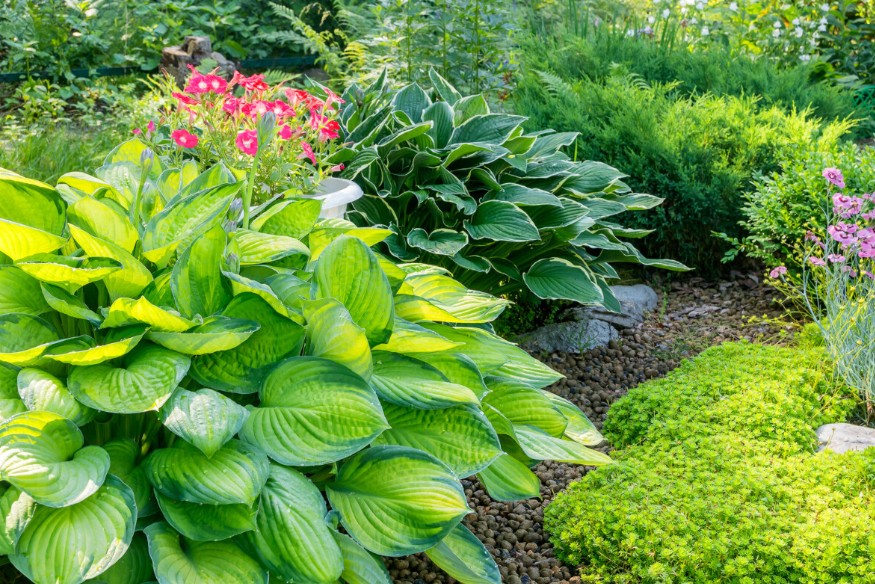
Strong and persistent winds can shape how plants grow, how comfortable outdoor spaces feel, and how well structures hold up. Planning landscaping around wind exposure requires understanding local conditions and choosing the right layout, plants, and materials to create both beauty and resilience.
Understanding Wind Patterns
Wind exposure varies depending on elevation, open fields, and nearby buildings. Identifying the direction and intensity of prevailing winds helps determine which parts of a property are most exposed. Observing how trees bend or where snow drifts form can reveal helpful clues about airflow patterns.
Topography plays an important role. Hills and slopes can funnel or deflect air, altering the strength of gusts across different areas. Mapping these microclimates ensures that protective elements are placed where they are most effective.
Designing Windbreaks and Shelterbelts
Windbreaks reduce velocity and protect plants, patios, and garden beds from drying winds. A well-designed barrier slows air movement without stopping it completely, minimizing turbulence on the sheltered side.
- Use a mix of evergreen and deciduous trees for year-round protection.
- Plant shrubs and smaller trees in staggered rows to filter wind gradually.
- Leave some space between plants to prevent wind from tunneling through gaps.
Position windbreaks perpendicular to dominant wind directions, extending past the area you want to protect. The sheltered zone typically extends several times the height of the tallest trees, offering significant coverage.
Choosing Wind-Resistant Plants
Some plants naturally withstand strong winds thanks to flexible stems, deep roots, or compact forms. Selecting these species reduces maintenance and replacement costs. Hardy native varieties often perform best, as they are adapted to local climate conditions and soil types.
- Low-growing shrubs and groundcovers help anchor soil and resist erosion.
- Flexible trees with strong root systems, such as willows or certain pines, tolerate gusty conditions.
- Dense hedges can serve as partial wind barriers while adding texture and color.
Integrating Functional Design Elements
Beyond vegetation, structural features can influence how wind moves through a landscape. Fences with slight gaps allow air to pass through, reducing pressure and preventing damage. Stone walls, raised beds, or pergolas can redirect air while enhancing visual appeal.
Outdoor living areas benefit from partial enclosures, such as trellises or vine-covered screens, which temper airflow without blocking light. Combining these features with practical landscaping ideas helps balance comfort and durability.
Soil and Water Considerations
Wind increases evaporation and can dry out soil quickly. Adding organic mulch around plants retains moisture and stabilizes temperature. Installing drip irrigation ensures consistent watering even during dry, windy periods.
Soil improvement through compost and aeration supports deeper root growth, making plants more resilient against uprooting. Regular inspection helps identify areas where erosion or compaction might occur.
Maintaining and Adapting the Landscape
Landscapes evolve as plants mature and environmental conditions shift. Pruning trees to maintain balanced canopies prevents breakage and improves airflow. Periodically evaluating windbreak effectiveness allows adjustments as vegetation fills in or as surrounding structures change.
Working with professionals who understand local conditions, such as those at Project Landscape, can provide guidance on long-term sustainability. Over time, thoughtful planning ensures outdoor areas remain functional, attractive, and well-protected from prevailing winds.